Wooden construction in Europe is at its golden age, and its popularity will keep growing. The era of wood is dawning. Wooden structures in construction now include not only residential buildings but also public-use buildings. Increasingly this also concerns skyscrapers.
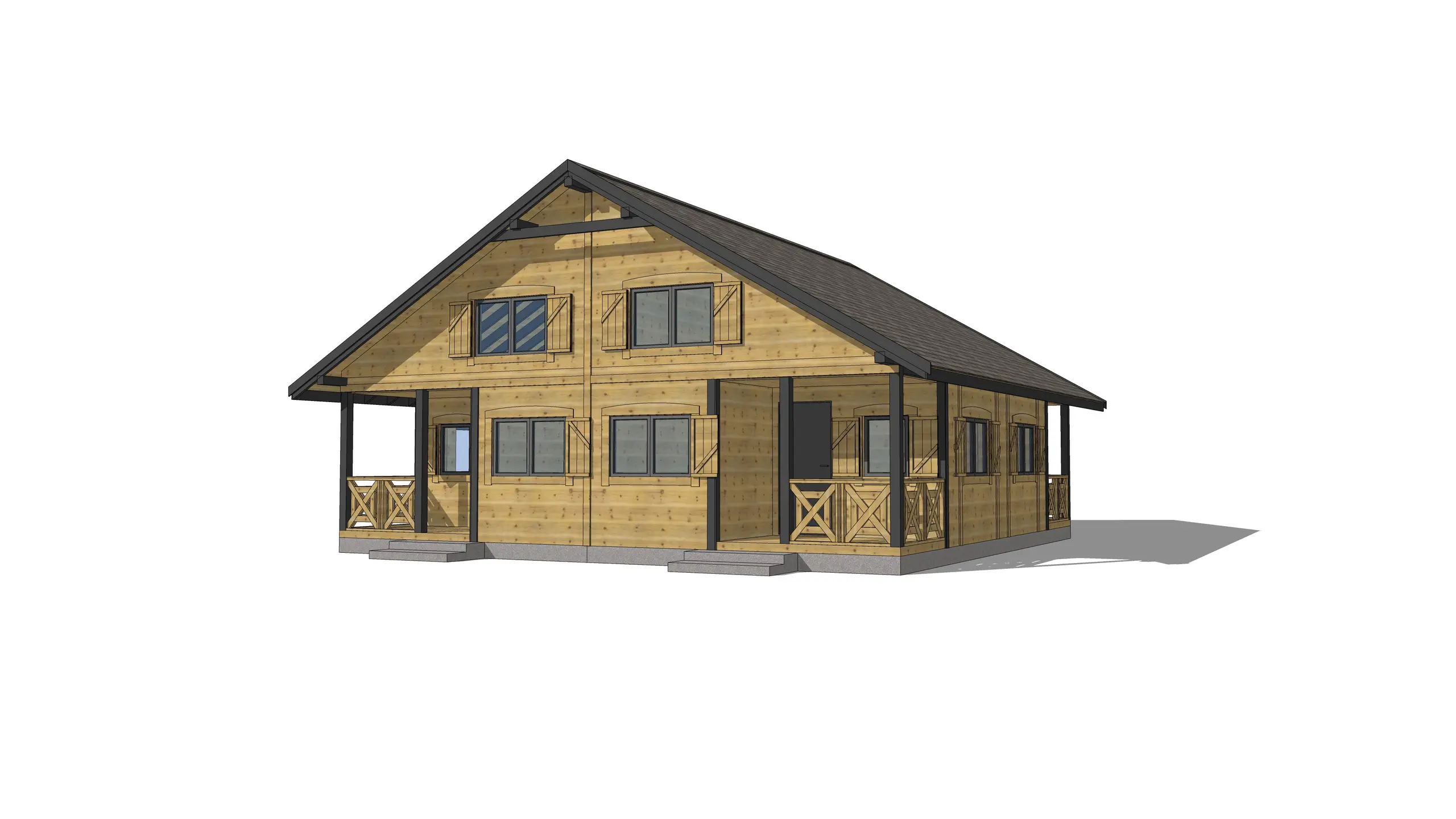
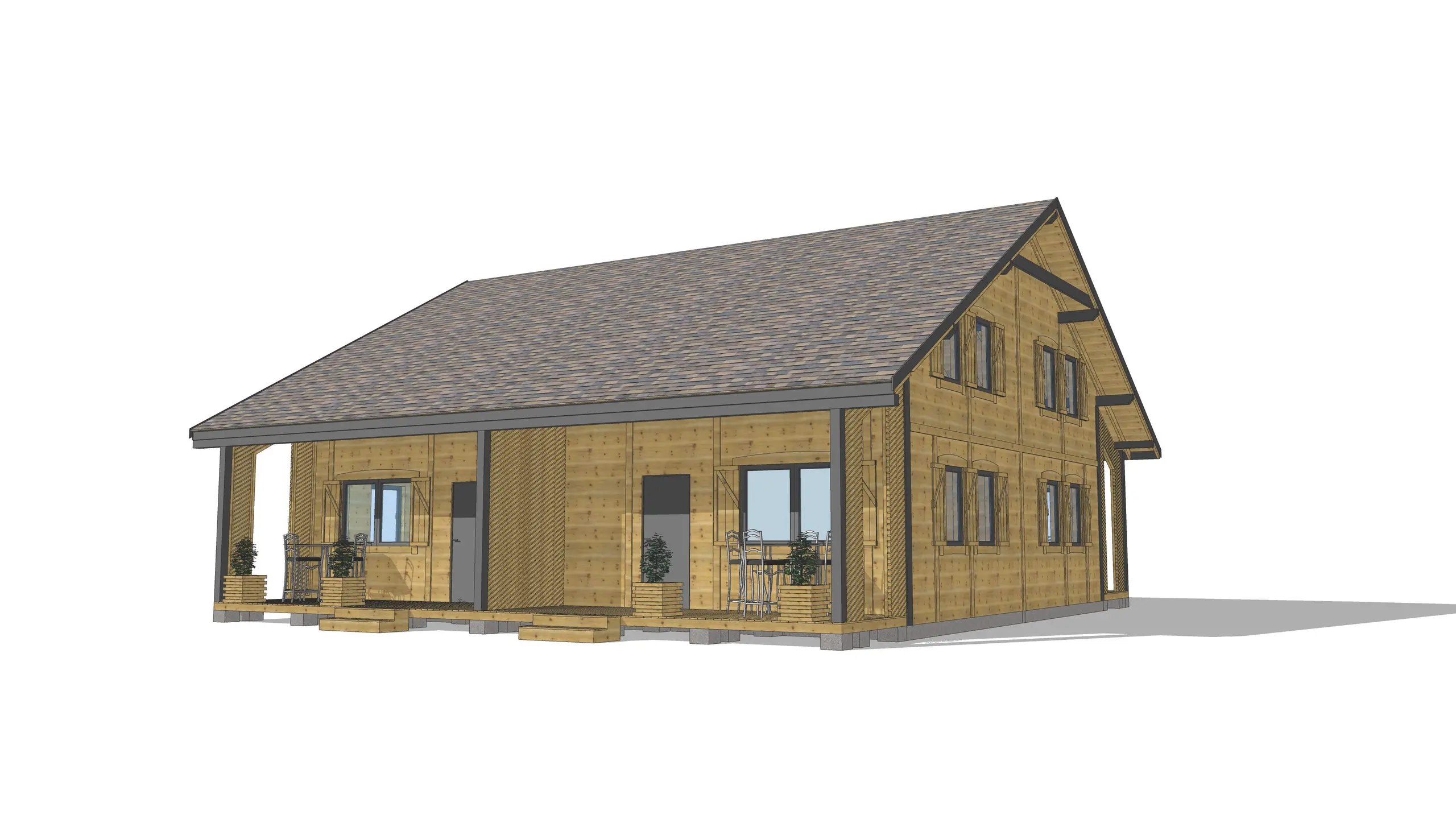
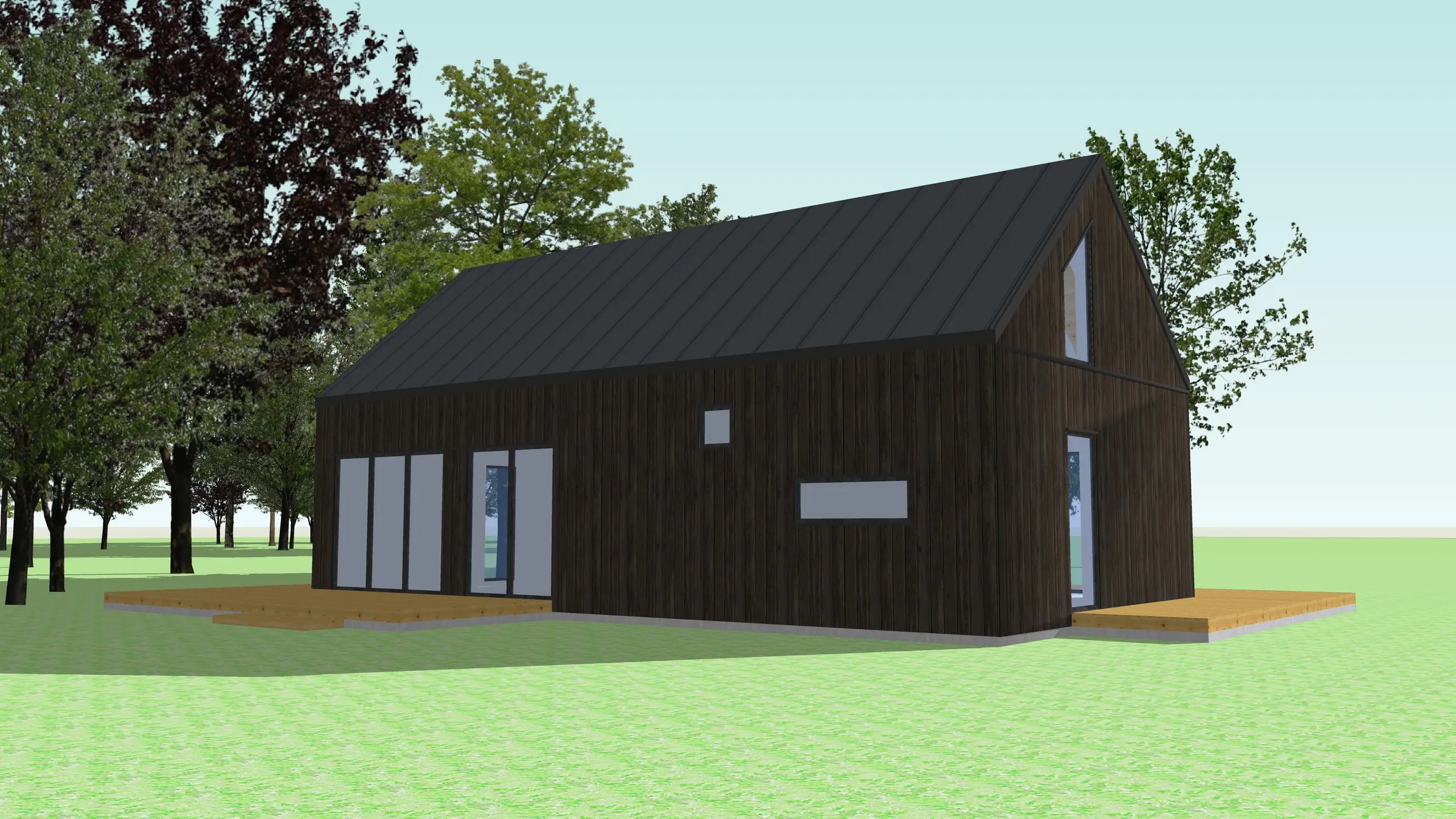
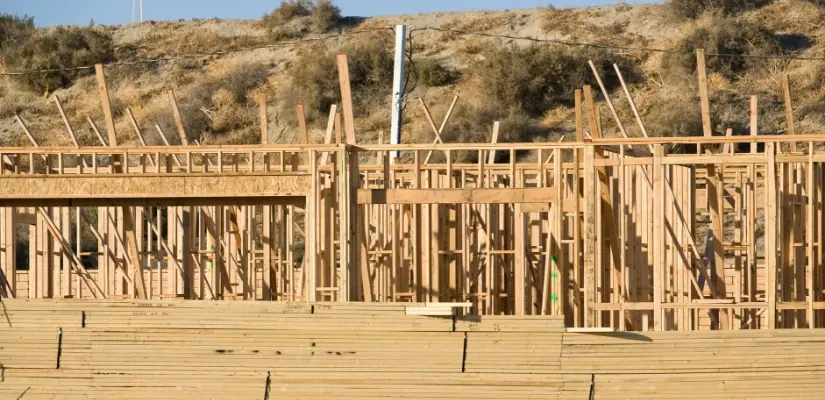
In Poland, wooden construction is most commonly associated with the 19th and 20th centuries (in fact, the material has been used for millennia). The oldest wooden architecture on Polish lands concerned the fortifications of Slavic settlements. Today, the wood trend is returning, albeit in a somewhat different form. This is modern construction that combines practicality, durability and contemporary design. Timber-frame buildings remain especially popular. Such houses made of wood can be built all year round, as they do not require many ‘wet’ works. Moreover, buildings built with timber-frame technology (with the right design) meet energy-efficient standards. In this respect we follow European trends, but for the projects below we can only gaze in admiration for now. Europe, however, is trying to match the Asian, Canadian and US nations. It’s worth drawing attention to this comparison.
Wooden settlements and modern residential buildings
Timber skyscrapers – or even entire districts – are no longer a melody of the future. Such projects are being created and are being implemented with increasing boldness. An example is Toronto, where on 9 hectares of waterfront a whole district made of Canadian wood is rising. The residential-commercial project began in 2017. The initiator is Alphabet, part of Google, which hired architects from Snøhetta and the architectural office of Thomas Heatherwick. The project includes two residential towers connected by a waving podium. The district is being built in a co-living model, designed to bring residents closer together.
Wooden housing estates are also gaining recognition in Japan, which in 2010 introduced a law stating that all new public-institution buildings up to three floors must be built from wood. Striking facades of timber frame constructions were used in 7-story residential buildings in Berlin (project by Kaden Klingbeil). In Poland wooden blocks are being built as part of the Mieszkanie+ program. In this regard we are trying to catch up with the Nordic countries. Separate attention should be paid to residential houses with components. The building material is coated with a gray paper containing carbonate surface, which protects against high-frequency radiation.
Timber skyscrapers – an alternative to glass and steel
Design firms are increasingly turning to natural materials when designing tall buildings. The trend is so pronounced that in some regions (e.g., Oregon in the USA) building codes were amended to allow tall wooden buildings. The current tallest (according to the Council on Tall Buildings and Urban Habitat) is Mjøstårnet, a timber building recently erected in Brumunddal, Norway. It stands 85.4 meters tall with 18 floors. Construction began in 2017 and it opened in March 2019. The only concrete floors are on the first seven floors. The record is set to be surpassed (and several times) by a Japanese Sumitomo Forestry project. Its goal is a 350 m timber tower with 70 floors. The investment cost is about 5.6 billion USD and commemorates the company’s 350th anniversary. The building is to be erected in Tokyo, with completion planned for 2041. It will be not only the tallest wooden building but also the tallest skyscraper in Japan. Perhaps Europe will follow this concept and soon we’ll hear about another equally daring project.
Wood in sports
Timber structures can also be used for sporting venues. The roof and façades, stairs and vertical terraces of the National Stadium in Tokyo, revealed in late November of the current year, are almost entirely clad in wood. The venue is set to host the opening and closing ceremonies of the 2020 Olympic Games. It currently seats over 68,000 spectators. The project is by Kengo Kuma. A signature of the Japanese architect is the use of natural materials. Likely a wooden stadium (with somewhat less grandeur) will rise closer to us – in England. Forest Green Rovers are pursuing approval for a wooden stadium with 5,000 seats. Councillors have concerns, but they do not relate to the safety or durability of the structure, rather to noise during football matches. This may trouble students studying at nearby William Morris College. The next council meeting on the matter is scheduled for December 18, 2019. The project is by Zaha Hadid, though the architect did not live to see the competition results announced.
Sources:
https://nieruchomosci.wprost.pl/budownictwo/10192748/historia-zatoczyla-kolo-przyszlosc-nalezy-do-drewnianych-budynkow.html
http://wyborcza.biz/ekodzialania/7,162865,23042542,tokio-powstaje-ekologiczny-70-pietrowy-drewniany-wiezowiec.html
https://www.infoarchitekta.pl/artykuly.PROJEKT:3-nowosci-firmowe:7170-kombinacja-drewna-betonu-i-fermacell.html
https://blog.mipimworld.com/development/tokyo-wooden-high-rise-marks-shift-towards-the-timber-tower-mipim-news/
http://www.sportmarketing.pl/newsroom/27790,znamy-projekt-stadionu-dla-tokio-2020
http://www.bryla.pl/bryla/7,85298,20930799,jedyny-na-swiecie-drewniany-stadion-wedlug-projektu-zahy-hadid.html