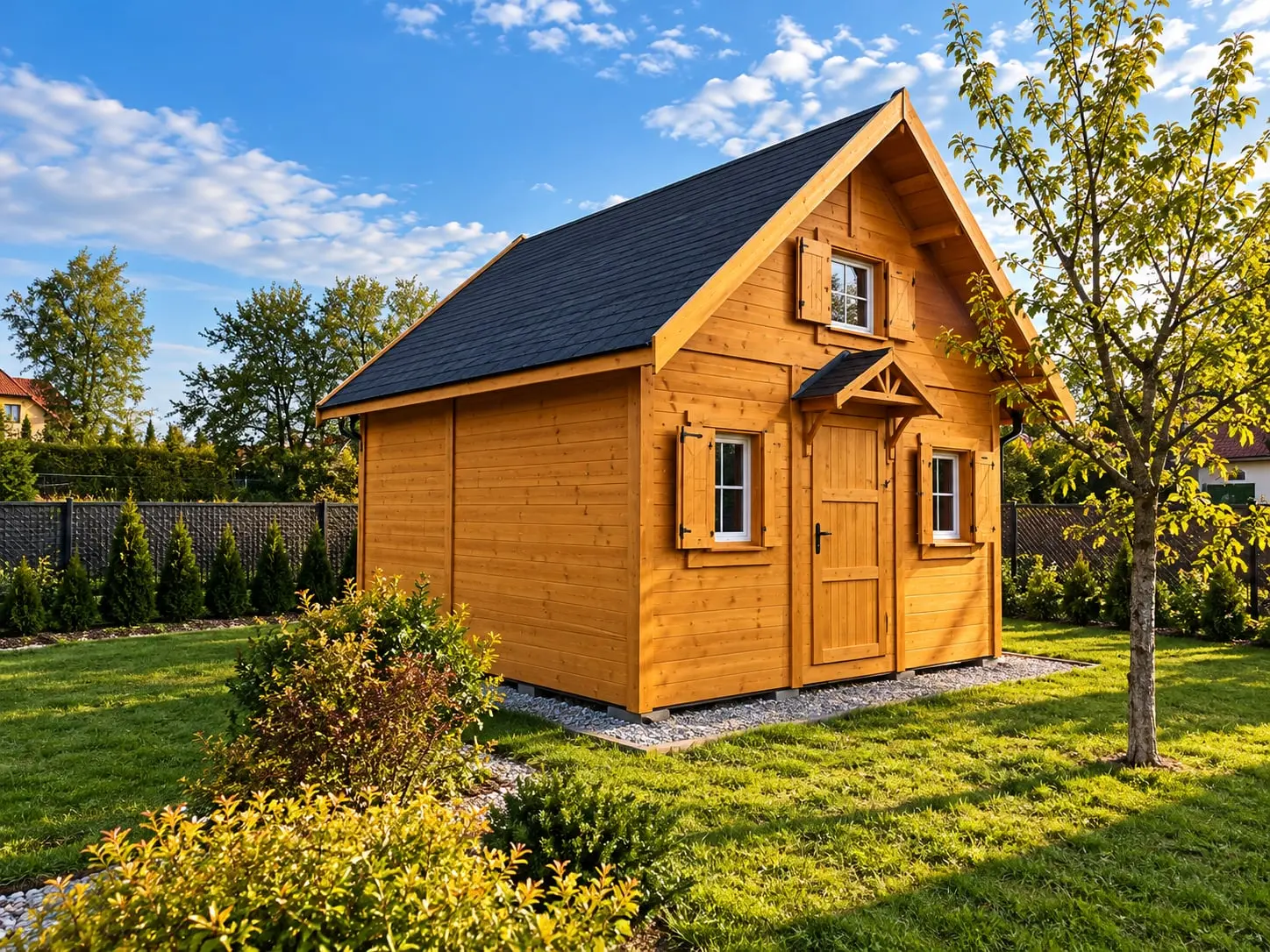
Ventilation in a holiday cabin plays a key role in ensuring a comfortable and healthy environment. Whether the cabin is used seasonally or year-round, proper air circulation affects residents' quality of life, the building's durability, and helps prevent moisture and mold. In this article you’ll find the answer to what kind of ventilation in a holiday cabin works best, we’ll discuss the types of ventilation systems, and suggest how to tailor them to individual needs.
Ventilation in a holiday cabin — how does it work?
Ventilation in the holiday cabin is a crucial process of exchanging air between the interior and the outside environment, which plays an important role in providing a healthy and comfortable living space. Its main task is to remove contaminants, such as excess water vapor, which can lead to moisture buildup, mold, and damage to structural materials. Additionally, ventilation eliminates cigarette smoke, unpleasant kitchen odors, and other harmful substances that can accumulate in enclosed spaces. Proper air movement not only provides access to fresh air, but also helps maintain an optimal temperature and humidity inside the building, which is especially important in wooden cabins. Regular air exchange also prevents condensation on windows or walls, which could lead to aesthetic and structural problems. Therefore a well-designed ventilation system is an essential element of every holiday cabin, regardless of its size and purpose.
Types of ventilation in a holiday cabin
Choosing the right type of ventilation in a holiday cabin depends on its construction, purpose, and operating conditions, and the most commonly used systems are natural (gravity) ventilation, mechanical ventilation, and hybrid systems.
Natural ventilation in a holiday cabin
Natural ventilation, also known as gravity ventilation, is one of the simplest and most common solutions in holiday cabins. It works on the principle of temperature difference between the interior and exterior of the building. Warm, polluted air rises and exits through ventilation openings, while cold air enters the interior through gaps in the bottom of doors, windows, or additional openings.
This solution works especially well in wooden holiday cabins, where the building’s structure favors natural air circulation. For the system to operate efficiently, it is important to regularly open windows, which increases airflow.
Mechanical ventilation in a holiday cabin
Mechanical ventilation in a holiday cabin is a more advanced system that provides controlled air exchange regardless of weather conditions. It uses exhaust or supply-exhaust fans that force air movement. Mechanical ventilation is especially suitable for all-year cabins, where it is important to maintain constant thermal comfort and avoid excessive heat loss in winter.
Hybrid ventilation systems
A common approach is to combine gravity and mechanical ventilation, especially in rooms such as bathrooms or kitchens. This combination allows effective removal of excess water vapor and moisture, while ensuring fresh air in other parts of the cabin.
Key aspects of ventilation in wooden cabins — remember ventilation openings
In wooden cabins ventilation matters even more. Wood, as a natural material, is susceptible to moisture, which can lead to mold growth and weakening of the building’s structure. To avoid this, it is necessary to:
- add ventilation openings in the walls and attic.
- Install exhaust vents in the kitchen and bathroom, where most moisture accumulates.
- Regular airing and maintaining adequate air circulation.
Bathroom ventilation in a holiday cabin — why is it so important?
Bathroom ventilation in a holiday cabin is a key element of the entire ventilation system because this is the room where the largest amount of steam accumulates, which can lead to condensation on walls, ceilings, and other surfaces. Such excess moisture fosters mold and mildew and unattractive stains, which can negatively affect the durability of finishes and the health of occupants. To prevent this, it is worth installing a mechanical exhaust fan that effectively removes excess moisture to the outside. Additionally, ensure there is a ventilation gap at the bottom of the door to allow free air flow between the bathroom and other rooms. It is also crucial to tailor the ventilation system to the size of the bathroom – too small a fan may be insufficient, while an excessively powerful system will generate unnecessary costs and noise. Properly designed bathroom ventilation will provide a dry and hygienic microclimate, regardless of how intensively it is used.
Maintaining air exchange in a holiday cabin — how to do it?
To ensure proper ventilation, pay attention to a few key aspects:
- Regular maintenance of the ventilation system – check that ventilation openings are not blocked and that the fans operate correctly.
- Opening windows – even in cabins with mechanical ventilation, regular airing of rooms increases system effectiveness.
- Avoiding excess moisture – use dehumidifiers, and in the kitchen and bathroom use exhaust fans to remove excess water vapor.
The benefits of properly functioning ventilation go beyond fresh air
The benefits of proper ventilation in a holiday cabin go far beyond access to fresh air. First and foremost, effective ventilation helps maintain adequate humidity levels, preventing excessive moisture buildup and the formation of mold or mildew. This is especially important in rooms like the bathroom or kitchen, where moisture can quickly damage walls, ceilings, or wooden structural elements.
Additionally, well-functioning ventilation eliminates unpleasant odors, such as cigarette smoke or kitchen smells, significantly improving user comfort. It also helps remove airborne contaminants, such as dust, pollen, or volatile organic compounds, which can be particularly beneficial for people with allergies.
A correctly designed ventilation system also affects thermal comfort, providing even air distribution and avoiding excessive heating or cooling of rooms. In the long run, ventilation protects the building from moisture-related damage, extends its durability, and reduces potential repair costs. Thanks to all these benefits, ventilation helps create a healthy, comfortable, and pleasant interior environment in a holiday cabin.
Ventilation in a holiday cabin doesn’t have to be easy. Is it worth hiring professionals?
Designing and installing a ventilation system in a holiday cabin can be complex, especially for mechanical systems. Using professional services allows for a solution tailored to individual needs, such as room layout or building location. Experts will also help in selecting the right type of ventilation to ensure effective airflow and minimizing heat losses.
FAQ:
1. How does natural ventilation differ from mechanical?
Natural ventilation uses temperature and pressure differences between the interior and the exterior, allowing for free air flow without additional devices. Fresh air enters the rooms through ventilation openings, while warm and polluted air exits outside. Mechanical ventilation, on the other hand, uses fans that force air movement – ventilation extracts used air to the outside, providing better control over the process.
2. How does ventilation help prevent mold?
Proper ventilation ensures an ongoing air exchange, eliminating excess moisture. In a dry environment, mold is, as is known, eliminated. The proper airflow removes water vapor before it starts to condense on walls or ceilings. This keeps a healthy microclimate in rooms and protects the building’s structure.
3. Why is adequate air exchange so important?
In addition to pollutants such as dust and smoke, ventilation also removes excess moisture and unpleasant odors, providing access to fresh air. Proper airflow improves thermal comfort and prevents damage to construction materials. Regular air exchange also positively impacts the health and well-being of holiday cabin residents.