Forest gardens are specific landscape architecture designs based on naturalness, simplicity and harmony with the surrounding landscape. These plantings can be created artificially or form a designated part of the natural forest environment. In every variant, forest gardens stand out with a unique microclimate, landscape harmony and the distinctive character of plantings, based on natural interdependencies between species.
What should you pay attention to when designing a forest garden?
If the garden is created on forest land, our task is to prevent its natural character from disappearing. It is worth remembering that plots located on forest lands are often subject to special legal regulations. In the case of larger interventions – e.g. tree felling or infrastructure construction – it may be necessary to obtain consent from the local forest administration or comply with the provisions of the Forests Act.
Actions should therefore be limited to caring for the surroundings, removing sprouts and responding to emerging diseases and pests. Artificially created flowerbeds can be placed right next to the house, leaving as much of the layout as possible in its natural state.
When creating a forest garden, we must not forget about the vertical layering of plants. Tall forest trees and shrubs should have proper undergrowth in the form of perennials, small shrubs, mosses and lichens, while you can also create compositions supplemented by flowering ornamental perennials. Fuchsias, heathers and heathers or bulbous plants are well suited for this task. Rock gardens of all kinds that carpet the ground are also acceptable here.
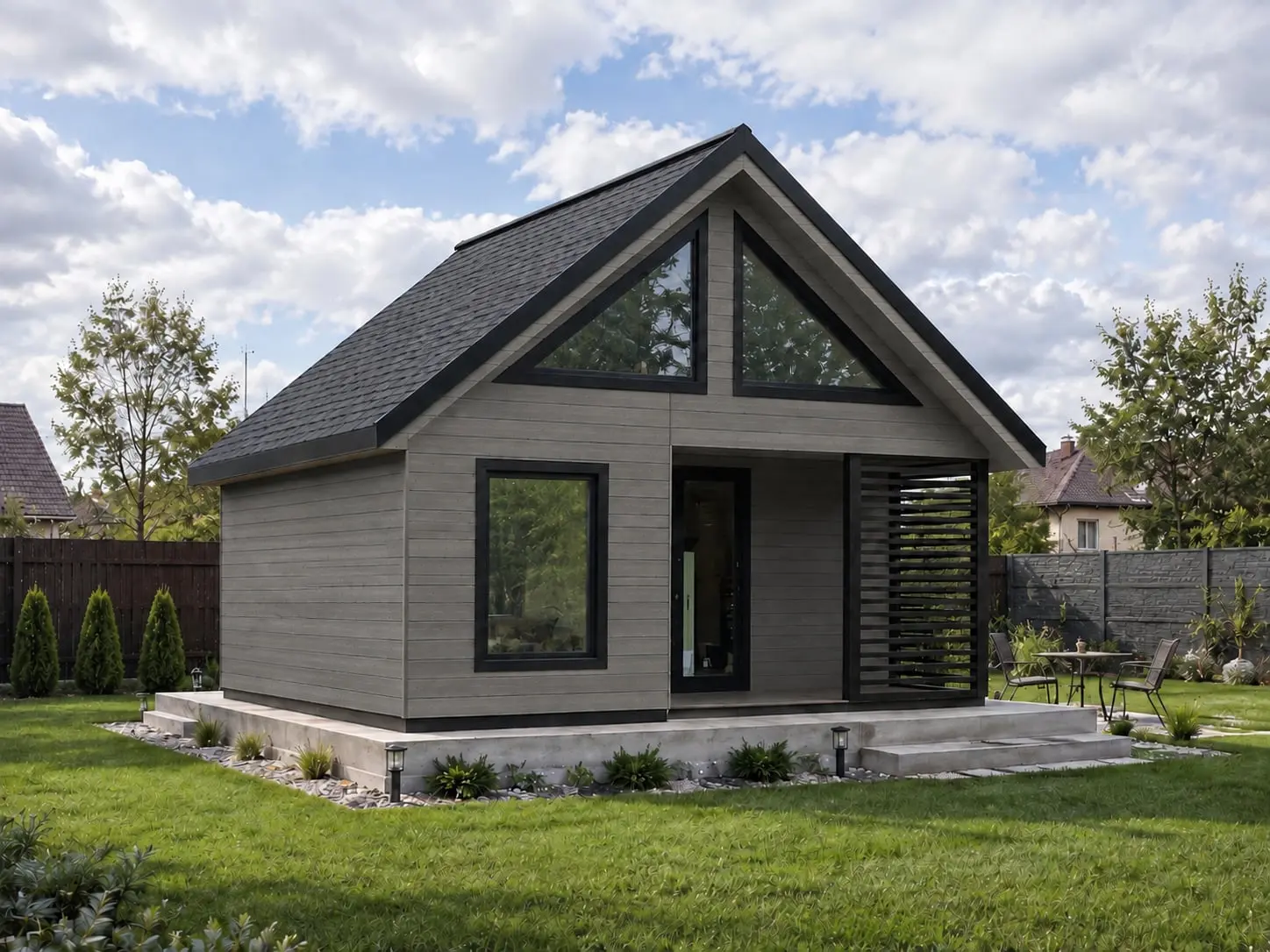
When creating a forest garden on a plot we must also remember that even holiday cabin should be well composed with the surroundings. On a garden forest plot it is best to use natural surfaces, stones, wooden structures and buildings, and simple garden furniture made of wood, rattan, synthetics or cast iron. Even when fencing the area, try to incorporate the fence into the surrounding landscape, for example with hedges, aesthetic metal panels or garden nets planted with climbers.
Which plants to plant in a forest garden?
Choosing plants for the forest garden is crucial. The plants used must be suited to moisture, soil and light conditions. Since big trees dry out the soil and shade the surroundings, it is wise to introduce additional forest shrubs and groundcover plants from the start, with appropriate fertilization and – if conditions allow – an automatic irrigation system. When selecting plants for a forest garden, also take local climate conditions into account – not all species grow well in every region of Poland, so before buying plants, check their habitat requirements.
Plants in a forest conifer garden
With a dominance of coniferous plants on the plot we have permeable soil with acidic pH. A good complement to the plantings here will be yew, spruces, junipers, thuja, heathers and heaths. Their companions can also be rhododendrons, azaleas, hostas, astilbes, and ferns.
Plants in a forest deciduous garden
In deciduous forests gardens we have humus-rich soil, and for this reason it is worth planting here barberries, hollies, lilacs, mock oranges, and all acanthus species. Maples, birches, currants, honeysuckles, ninebarks, viburnums, dogwoods, willows, osiers, and potentillas will also fit into forest garden designs. An interesting accent can also be a apple tree, which tolerates partial shade well and attracts small animals such as birds or hedgehogs.
Ornamental plants and climbing plants for the forest garden
When choosing climbing plant species for the forest garden, you can successfully plant ivies and clematises here. When planning flowering borders, it is worth choosing sunflowers, rudbeckias, periwinkles, violets, anemones, spring crocuses, crocuses, crocuses, and snowdrops. In this type of setting you should not miss decorative grasses, ornamental grasses, wild parsnip, and cornflowers. Of course, you should also acclimate mosses and ferns in your garden.
When selecting ornamental species, make sure they are not invasive. For example, certain varieties of periwinkle or creeping ivy can negatively affect the local ecosystem. Before planting, check their status on the list of non-native or invasive species published by the General Directorate for Environmental Protection (GDOŚ) or the State Forests.
Can you have a beautiful lawn in a forest garden?
No recreation garden can do without a beautiful lawn. Since it has high requirements, in forest gardens it is strongly recommended to use ground-cover plants, such as ivy and mosses. If a lawn is a priority, opt for shade-tolerant grass mixes. The lawn should then be sown more densely and mowed higher and less often. It will also require ample watering and regular fertilization.
There is also a mixed solution where shrubs and forest plants grow right under the trees, and a well-maintained turf lies nearby.
Forest corner – a dandelion of a forest garden
If beautiful forest gardens are only in our dreams, consider an alternative: a forest corner in the garden. It’s a good solution for those who dream of a natural nook but cannot afford a full-scale forest garden.
You can arrange a forest garden on a large plot or as a small corner – the most important is to blend natural vegetation, local tree and plant species, and natural materials to create a cozy atmosphere under the canopy of trees. If you dream of a forest-style garden with a pond, stone pathways and the calm of a forest, start planning today!
FAQ
Can a forest garden be arranged on a small plot?
Yes, even a small forest garden can enchant with its atmosphere. Just choose shade-tolerant native plant species, mosses and ferns, and a few natural accents – e.g. stone, wood or climbing plants – to create a unique space.
Does a forest garden always require a large plot?
No – a forest-style garden can be arranged even on a small area. The key is a thoughtful plant arrangement, choosing suitable species and creating layering that recreates the forest atmosphere.
Which native tree species work best in a forest garden?
Birches, spruces, oaks, maples, rowans, Scots pines, and yew common – all native tree species, resistant to our climate. They create natural shade and support the microclimate of the garden.
Should you make a water feature in a forest garden?
Definitely yes – a pond is a great way to enhance the natural character of the garden. It attracts birds and insects, brings calm and emphasizes the atmospheric feel of a forest space and can become the central feature of a forest-style garden.
What materials best suit a beautiful forest garden?
It is best to use natural materials: wood, stone, gravel, bark. They help build a harmonious space and fit the aesthetic of integrating natural vegetation with the surroundings. Small garden architecture, e.g. benches, bridges or planters, should be kept in a simple, organic style so as not to disturb harmony with the surroundings.
Is it possible to mix coniferous and deciduous species in one forest garden?
Yes, such a combination can be very beneficial – for example, larch and Scots pine complement maples and birches well. It is important to adjust them to soil conditions and ensure sustainable gardening that does not disrupt the natural balance.
Does a lawn fit into a forest garden?
Classic lawn can be difficult to maintain in shaded conditions, so a better solution is ground-cover plants or wildflower meadows. If it should be part of the garden, use shade-tolerant grass mixtures and remember to water regularly.