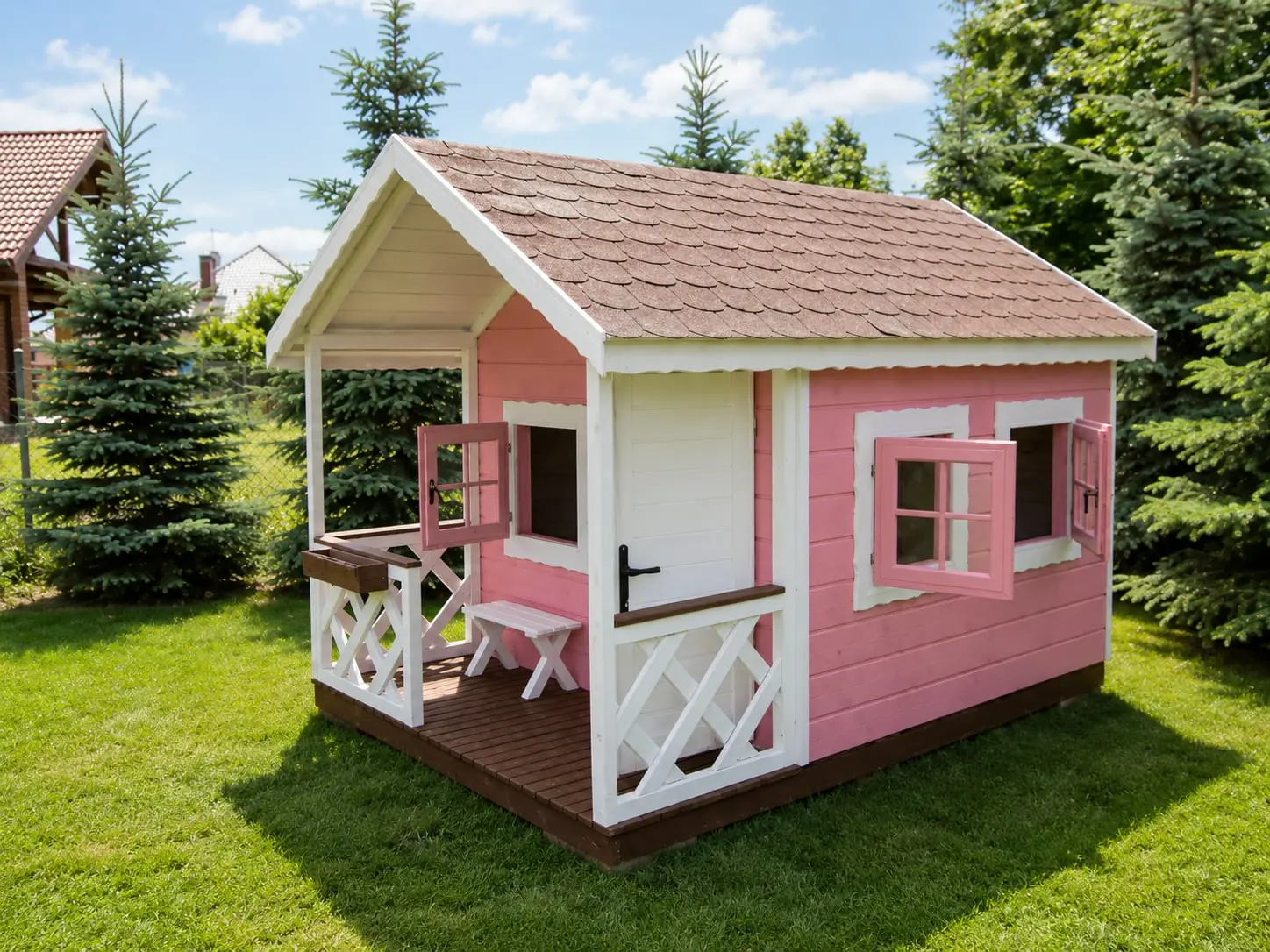
Garden playgrounds are ideal outdoor spaces that bring children plenty of joy and support their development. Even a small backyard playground lets little ones be physically active and connect with nature, while giving parents the opportunity to observe and ensure their children’s safety during play. Here’s how to organise a garden playground that is both attractive and safe for your kids.
Benefits of a garden playground
Playgrounds for children offer benefits for physical, mental and social development. Daily activities such as running, climbing and jumping positively affect the skeletal and muscular systems, and also develop coordination. Additionally, playing in the privacy of your own garden, perhaps with friends or siblings, supports a child’s social development by teaching cooperation, communication and healthy competition. Time spent outdoors strengthens the immune system.
A garden playground is also a great way to develop sensory skills. By engaging with a variety of textures, scents and sounds, children expand their senses, which is especially important in the early years of life . A garden playground gives kids the chance to explore and learn about the world through play.
How to organise a home playground in the garden – ideas
To keep a home playground safe and provide children with excellent fun, it’s worth considering a few key aspects that help create a perfect outdoor space.
- Choosing the right location
- Child-friendly ground surface
- Play zones
Modern garden playground – essential elements
A variety of equipment on the playground ensures children develop in a well-rounded way and enjoy spending time there more. A home playground can include different elements that boost creativity, fitness and social skills. Here are a few suggestions to consider for your home playground:
DIY accessories
Independently made elements not only spark a child’s imagination but also foster eco-friendly habits. Using everyday items, you can create attractive playground features such as a tire sandbox, a wooden plank swing or a tunnel from pipes. These solutions are not only affordable but also unique and tailored to a child’s individual needs.
Wooden playground
Wooden playgrounds are a popular choice, combining aesthetics, durability and functionality. A wooden playground can grow with a child and be adapted to their changing needs. Wooden elements are eco-friendly and safe, and natural wood blends perfectly with garden design.
- Children’s houses – a wooden house can become a true kingdom for a toddler. It’s an ideal play space that nurtures creativity and imagination. Houses can be equipped with additional features such as a garden, a terrace, and even a mini kitchen or theatre, allowing the house to be tailored to the child’s interests.
- Sandbox – a classic playground isn’t complete without a sandbox. Sandboxes let children create, experiment and develop fine motor skills. Wooden sandboxes often include practical seating and a lid to protect from dirt.
- Swings – a simple wooden-slat swing brings a lot of joy. It can be hung from a tree or on a special frame that’s easy to adjust to children’s needs.
- Kitchen sets and shops – this is a less conventional idea for a garden playground, but these elements let children play roles, developing imagination and teaching basic cooperation and communication.
- Trampolines – a trampoline brings energy and dynamism to play. A large trampoline can be a jumping spot, and a roofed cover turns it into a shaded resting area.
- Tunnels and obstacles – tunnels or climbing walls made from ropes, tubes or mesh are a perfect addition to any playground. Encouraging children to improve fitness and coordination, they are a great feature to consider for your playground.
How to diversify the playground?
When planning a garden playground, involve your child in shaping the concept and choosing elements. This ensures the playground fits their interests and provides space to discover and learn through play. Inspirations can come from nature, incorporating natural elements into the garden, such as stepping stumps, wooden planks, or a mini herb garden.
A wooden playground in the garden is more than just a play area; it’s an investment in your child’s development and health. By choosing elements made from high-quality wood, you ensure safety and durability for years to come.
FAQ:
- Does a garden playground require building permits?
Usually a garden playground does not require a building permit, as it is treated as small garden architecture. However, in some cases, especially if the structure is larger or more permanent, it’s worth checking local regulations since there may be restrictions on height or where such a structure can be placed.
- How to take care of a wooden playground so it lasts as long as possible?
A wooden playground requires regular maintenance to stay durable and safe. It’s recommended to inspect the wood, fastenings and protective coatings annually. Wood should be preserved to protect it from moisture and pests. Avoid using harsh detergents – water with a mild cleaning agent is enough.
- Which plants are safe around playgrounds?
When choosing plants around your playground, avoid toxic, thorny species and those with large flowering heads that attract insects. Safe options include ornamental grasses, conifer shrubs or soft-leaved plants. Choose greenery that provides shade while maintaining good visibility for adults.