Dream of growing your own vegetables but don't have a garden? No problem! All you need is a balcony, a few pots and a bit of enthusiasm to start growing vegetables in an urban setting. A balcony vegetable garden is not only a way to get fresh, healthy food, but also a great way to relax, save money and connect with nature – without leaving home. See how to create, step by step, a green corner full of flavor and aroma.
Why have a vegetable garden on your balcony?
A home vegetable garden is a great way to enjoy healthy food without leaving your home. Even a small balcony can hold a functional vegetable garden that provides you with fresh herbs, lettuce leaves, tomatoes or radishes. It's not just about saving money, but also about the great satisfaction of growing your own produce. Your own harvest also means you can be sure that what you eat contains no unnecessary chemicals or preservatives. It's a hobby that has a positive effect on both physical and mental health.
Growing vegetables on a balcony also supports a more sustainable lifestyle. Less shopping in plastic, less food waste, and more everyday contact with nature. It's also a great way to get children involved in gardening and to teach them patience and responsibility.
Where to start when setting up a home vegetable garden?
Start by planning the space on your balcony. Assess how much room you have and where the most sunlight reaches. A good plan will let you make the most of every centimeter of available space. Measure your balcony, draw a simple plan and decide where you can fit planters, shelving units or crates.
Next, decide which vegetables you want to grow. Choose plants that do well in pots, such as lettuce, radishes, cherry tomatoes or herbs. Think about whether you'd rather sow seeds or buy ready-made seedlings. The latter are easier for beginners and let you enjoy your harvest sooner.
Remember that it's better to start with fewer species and watch how they develop. Over time, you can add more vegetables, tailoring your choice to your own needs and culinary tastes.
Where to place the containers?
Vegetables need sun, so south- or south-west-facing balconies work best. You can also grow vegetables on east- or west-facing balconies, but the harvest may be somewhat smaller. Avoid a north-facing position, as a lack of light can cause plants to grow leggy and yield poorly.
Also provide protection from excessive sun and wind. If your balcony gets a lot of sun, consider using awnings, shade sails or pergolas. Place pots in sheltered spots that are still well lit. Remember that plants in containers lose water faster, so the spot shouldn't be fully exposed to direct sunlight all day long.
Which containers should you choose for a vegetable garden?
The best options are:
- hanging pots – good for strawberries,
- vertical systems – ideal for herbs and lettuce,
- wooden crates – attractive and spacious,
- large planters – for plants with deep root systems (e.g. tomatoes, carrots),
- troughs – for lettuce, chives and spinach,
- raised beds – make it easier to control soil moisture and composition.
Containers should have water drainage and be resistant to changing weather conditions. It's worth choosing stable planters made of materials that are not sensitive to UV radiation and moisture. Self-watering planters or pots with a drainage layer, which protects roots from rotting, are an interesting solution.
If your balcony is really small, it's worth using vertical solutions such as shelves, hanging fabric pockets or boxes attached to railings. This way you'll make the most of the available space.
Which vegetables can you grow on a balcony?
It's best to choose plants that are small, hardy and easy to grow:
- herbs: chives, dill, parsley, basil, marjoram, oregano,
- leafy greens: lettuce, arugula, spinach, chard, sorrel,
- root vegetables: radishes, carrots, kohlrabi, celery,
- fruiting vegetables: cherry tomatoes, peppers (including chili peppers), climbing cucumbers,
- cucurbits: zucchini, summer squash, pattypan squash – preferably dwarf varieties,
- beans: pole beans are best, and they can be trained along trellises.
It's worth experimenting with different varieties and seeing which do best in your balcony conditions. Some vegetables can be grown in cycles – for example, after harvesting radishes, sow another batch of lettuce.
Planting and caring for vegetables
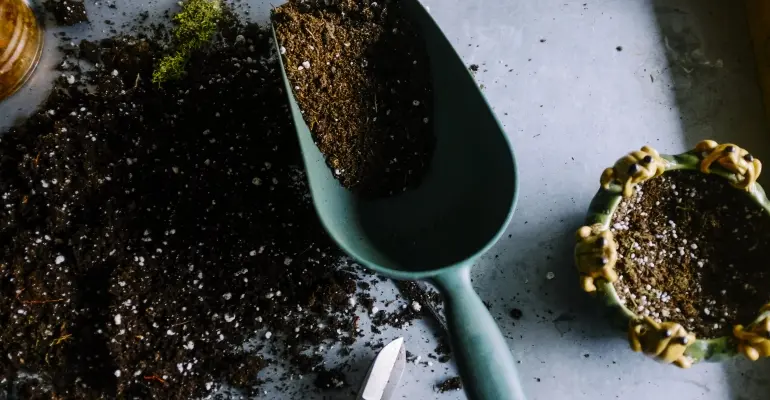
Use good-quality soil for balcony vegetables – ideally light and well-draining, with added compost or vermicompost. Use organic fertilizers, such as pelleted manure, plant-based fertilizers or homemade compost. Water your plants regularly, especially in summer. Avoid letting the soil in the planters dry out – you may want to consider buying planters with an irrigation system.
To improve plant health, you can plant flowers next to them (e.g. nasturtiums or marigolds) that repel pests. It's also worth attracting pollinators by planting lavender or calendula. A good practice is to remove spent parts of plants and to prune herbs regularly, which encourages them to grow.
Also remember about rotating your plants – after the season, it's worth replacing part of the substrate or enriching it with fresh compost to prevent the soil from becoming depleted.
Natural crop protection
Check your plants regularly for diseases and pests. A balcony microclimate encourages problems to spread quickly, so act right away. Homemade nettle or horsetail extracts work well against aphids. You can also prepare your own liquid plant feeds, e.g. from dandelion or onion. Avoid chemicals. Protective netting or low fences also work well if you have cats or dogs at home.
In case of frequent rain and high humidity, remember to ventilate your plants and keep space between the planters – this will help you avoid fungal diseases.
How to expand your own vegetable garden?
Over time, you can introduce new plants, change the layout of your containers or use vertical systems. Remember about crop rotation – don't plant the same plants in the same place year after year. This way the soil will be healthier and the yields more abundant.
Also consider investing in self-watering planters or raised beds, which will make maintenance easier and improve working comfort. You can also invest in a small balcony shelving unit or a trellis for climbing plants to grow up.
If you have more space, expand your vegetable garden with fruit plants such as wild strawberries, miniature blueberries or currants in pots. Such additions will make your balcony more varied and extend the harvest season.
A balcony vegetable garden is an easy and enjoyable way to get healthy, home-grown food. With a little planning, patience and regular care, you can enjoy fresh produce throughout the whole season. On top of that, daily contact with greenery is soothing and helps you relax even in the middle of the city.
Your balcony can become a green haven full of aromatic herbs and delicious vegetables. A few pots, some soil and a bit of passion are all it takes to create your own little world full of life, flavor and color.
FAQ
How do you set up a vegetable garden if you have a small balcony?
In a mini vegetable garden, good space planning is the most important thing. Go for vertical solutions such as hanging pots, shelving units or fabric pockets. Choose compact vegetable species that don't require large containers. This way you'll create a functional space even on just a few square meters.
What can you use to fence a vegetable garden to protect plants from animals?
If you have a cat, a dog or frequent visitors from the neighborhood, it's worth using low fences, netting or balcony trellises. This kind of protection works especially well for low-growing leafy plants. A fence also helps keep your balcony tidy and attractive. Additionally, you can plant the edges of your planters with ornamental plants that repel pests.
How do you give vegetables the best growing conditions?
Make sure your plants get sunlight for at least 5–6 hours a day. Regular fertilizing, good substrate and proper watering are hugely important. Plants in containers quickly lose water and nutrients, so their care must be consistent. A good vegetable garden plan is the key to success.
Which leafy and legume vegetables are worth growing on a balcony?
Leafy vegetables ideal for a balcony include lettuce, arugula, spinach and chard. Among legumes, green beans work great – especially climbing varieties, which can be trained along a trellis. Both groups are easy to grow and rich in valuable nutrients. It's worth having them close at hand for fresh vegetables in your everyday meals.
Is it worth planting ornamental plants in a vegetable garden?
Yes, ornamental plants such as nasturtiums, marigolds or lavender serve more than just a decorative purpose. They help protect vegetables from pests and attract pollinators. Thanks to them, your balcony garden gains extra charm and functionality. Growing vegetables and flowers together means natural protection and aesthetics in one.