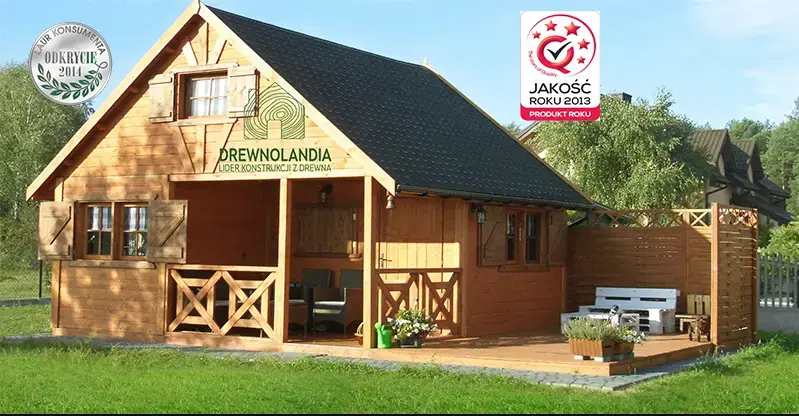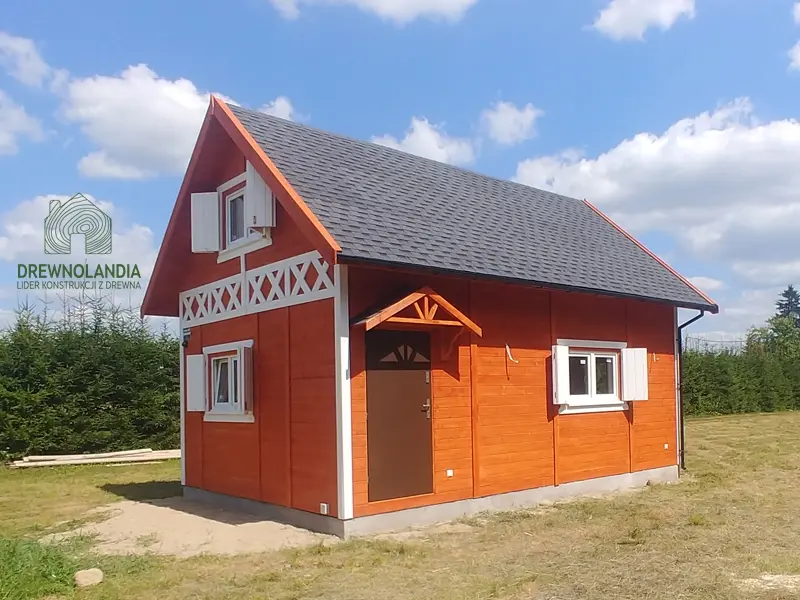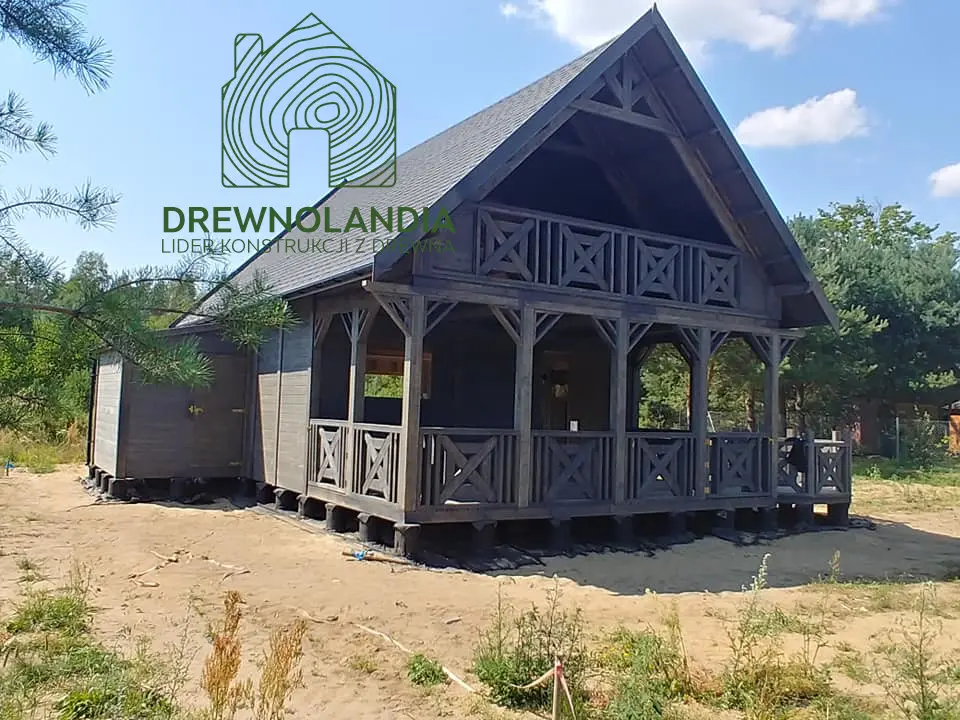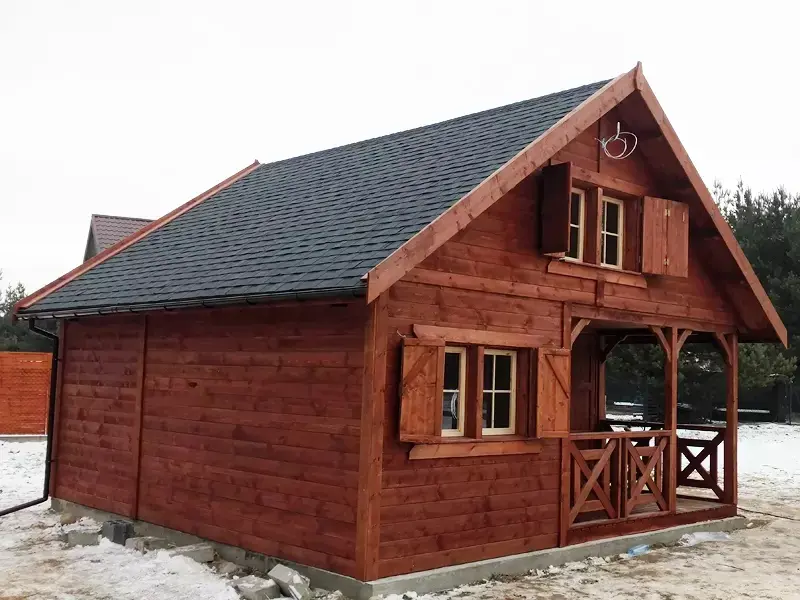
Winter is approaching fast, and for most wooden holiday cabins it means the end of the vacation season. Preparing them properly for this period is not only about comfort but, above all, about protecting the structure and installations from harsh weather. The exception are all-year cabins, which – thanks to proper insulation – can be used even in winter. Regardless of the type of cabin, it’s worth ensuring its protection. Learn how to prepare a wooden cabin for winter step by step.
Protection of the facade for winter
Drewno is a naturally temperature-resistant material, but it is susceptible to moisture. For this reason, all Drewnolandia cabins are cladded with tongue-and-groove boards – the projection of one board fits into the groove of the next, which ensures not only tightness but also allows the wood to “work” with changes in humidity and temperature. This prevents gaps from forming, and the facade remains stable all year round.
For wood protection, finishes are best – e.g. Drewnochron, which protects the surface from moisture and extends the life of the structure. Painting does not have to be repeated every year – just every few seasons, preferably in spring when the wood is well dried. An exception are coloring products (e.g. white, red, blue varnish-stains), which should be refreshed at least once a year – ideally before the season and after its end.
During the winter season, especially important is monitoring the state of the facade – protect critical areas with additional preparations that shield the wood from frost, snow and moisture.
Insulation and thermal insulation
If the cabin was erected in a rough-in closed state, it most likely does not yet have insulation layers, except for windproof foil. Although mineral wool or PUR foam won’t heat the interior by themselves, they will slow heat loss and help maintain a positive interior temperature inside the cabin.
A well-insulated cabin is easier to heat on the spot – with a stove, convection heater or a temperature management system. Modern solutions allow remote monitoring of indoor conditions, which can be especially helpful if the cabin remains unoccupied for several weeks.
Before leaving, also remember to close all windows and shutters. It’s a good idea to additionally secure doors and windows with an insulating film – an inexpensive and effective way to reduce heat loss.
Check, how to insulate a wooden house?
Protection of installations
If there is a water installation in the cabin, it should be completely emptied – including the boiler and toilets. Close the main valve and drain the pipes. Otherwise, water left in the system can freeze and cause cracks and serious damage to the installations, which in turn promote dampness and mold growth.
For electrical installations – disconnect fuses and protect devices from surges. If the cabin is in an area prone to lightning, consider installing a surge arrester (SPD class 1+2). This protection will be useful also in spring and summer – during storms.
If the cabin is equipped with a stove or other heating devices, check their technical condition. In all-year cabins that will be heated in winter, it is worth installing a carbon monoxide detector – it costs a few tens of zlotys and can save lives.
Regular inspections of installations and pipes are essential – especially after severe frosts.
Protection against pests
Defending a wooden holiday cabin against pests is one of the key winter preparation elements. In winter, when the cabin is not used daily, low temperatures make the wood more susceptible to moisture, which in turn promotes mold growth and fungi. Additionally, unwanted guests may be attracted to the warm corners of the cabin, so it’s worth securing it properly from the outset.
To effectively prepare a wooden cabin for winter, regularly check its condition – especially after heavy snowfalls or strong winds, which can damage the roof or facade. Any gaps and structural damage are potential entry points for rodents or insects. Therefore, carefully inspect the entire wooden structure and perform necessary repairs if needed.
An important element of protection is wood preservation – a suitably chosen preparation not only protects the wood from moisture but also hinders mold and fungus development. Regular preservation helps keep the holiday cabin in good condition for many seasons, minimizing the risk of costly repairs.
Don’t forget about the water supply and sewage – the risk of water freezing in pipes can cause them to crack, which in turn promotes dampness and mold. Before winter, thoroughly drain the installations and ensure proper protection.
It’s also worth remembering garden furniture – ideally store it in a dry, well-ventilated place, so it isn’t exposed to moisture and low temperatures. This will keep it in good condition for the next season.
Regular visits to the holiday cabin during winter allow quickly detecting problems such as pests or damage caused by winter weather. Proper protection of the holiday cabin before winter is an investment in its durability and comfort for many years.
With this level of protection, the cabin will calmly await spring and, consequently, the opening of the next vacation season.
Don’t wait for the first frosts – take care of proper winter protection of your holiday cabin now to enjoy peace of mind and confidence that everything will endure the winter in excellent condition.
FAQ
Is it worth insuring a holiday cabin in winter?
Yes, insuring the cabin for the winter can prove useful, especially if the cabin is in a region exposed to gales, heavy snowfall or vandalism. The policy should cover both the structure and its furnishings.
How to protect a wooden cabin from ground moisture?
The best approach is to ensure proper foundation insulation and ventilation of the floor space. It may also help to lay a layer of gravel or geotextile around the cabin.
Can a holiday cabin be used as an all-year residence in winter?
Only if it has been suitably adapted – with thermal insulation, airtight windows and a heating system. Otherwise, staying there during frosts may be uncomfortable or even impossible.
How often should you visit the cabin during winter?
It’s worth regularly visiting the holiday cabin in winter, at least every few weeks. This helps quickly detect any damage, presence of pests or problems with installations.
Is one preservative enough to ensure proper wood protection for winter?
A high-quality preservative is essential, but it alone isn’t enough. You also need to monitor the wood’s condition and, if needed, apply additional measures in areas particularly exposed to moisture and frost to provide truly adequate protection.