
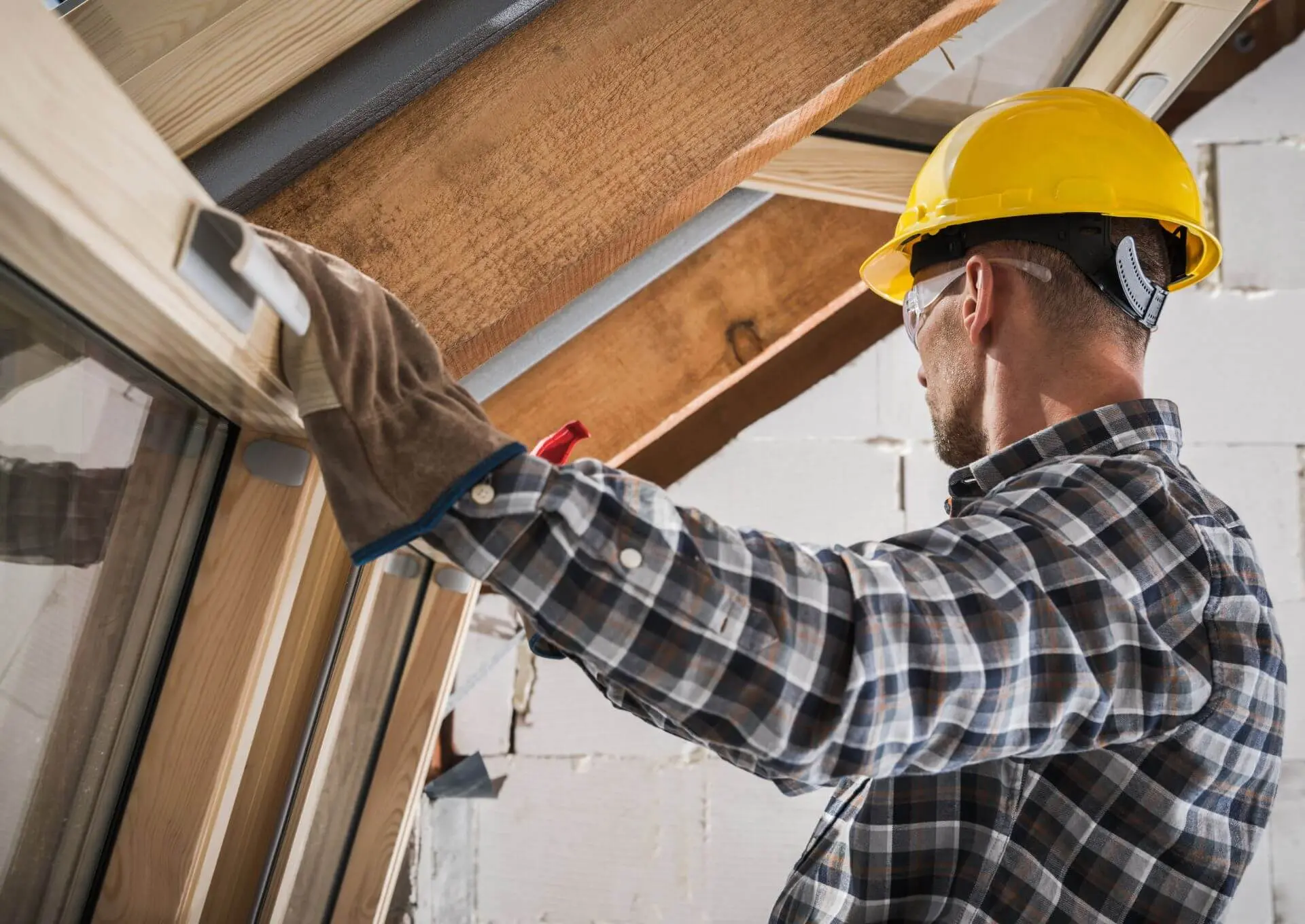
Holiday cabins are becoming more and more popular with customers. Easy day-to-day maintenance and a stunning exterior are the features that lead a growing number of people to build one on their own plot. Many, however, are put off by the formalities and technical challenges of putting one up. Find out what building a holiday cabin involves and why it is not nearly as difficult as you might think.
Holiday cabin – purpose
Until recently, owning a place in a big city was a true dream for young people living in nearby villages. That is still the case, but it is no longer nearly as widespread. Today, young people too increasingly appreciate the peace and quiet that is practically impossible to find amid the hustle and bustle of the city. Noise from nearby streets, loud conversations from neighbouring restaurants and trams rattling along their tracks are sounds that virtually all residents of large cities have to put up with. They cannot be eliminated, but their impact on our well-being can be reduced.
We are talking about a holiday cabin, which you can put up on your plot with nothing more than the appropriate notification. Under Polish building law, it is classed as an "individual recreation building", a place to unwind after work, on holiday or at any other time of leisure. And not only in spring and summer, but also in autumn and even in winter. Timber-frame recreation cabins can be insulated in the same way as residential houses, so you can use them comfortably whatever the weather is like outside.
Advantages of building a holiday cabin by notification
A wooden holiday cabin has many advantages. It is not only a great place to relax, but also a real alternative to brick-built residential houses, in which you can live all year round as well.
- A low price matters when building a holiday cabin – the cost of the formalities, the purchase of the cabin and its assembly is considerably lower than for a brick house.
- Short build time – recreation buildings in Canadian timber-frame technology go up quickly, in anywhere from 1 to a maximum of 5 days, depending on the size and the chosen finishing standard.
- Eco-friendliness is another advantage of holiday cabins – their beautiful exterior goes hand in hand with the ecological origin of the materials. The stunning facade echoes nature and shows our commitment to living in harmony with it.
There are many more advantages, though, including easy maintenance and simple formalities.
Building a holiday cabin step by step
Building a holiday cabin only seems difficult and complicated, because many people associate the term "construction" with putting up a large house. The rules for building in Canadian timber-frame technology are completely different, and so are the requirements placed on the investor. You only need to make basic preparations for building a timber-frame house. Above all, remember to carry out all the necessary groundwork, such as connecting utilities (water, electricity), and to prepare the ground for the cabin. Depending on the size of the building, the permitted options include not only a full foundation slab or a traditional foundation based on a footing built of masonry along the outline of the house, but also less expensive options, such as a pad foundation with a timber frame or foundation blocks.
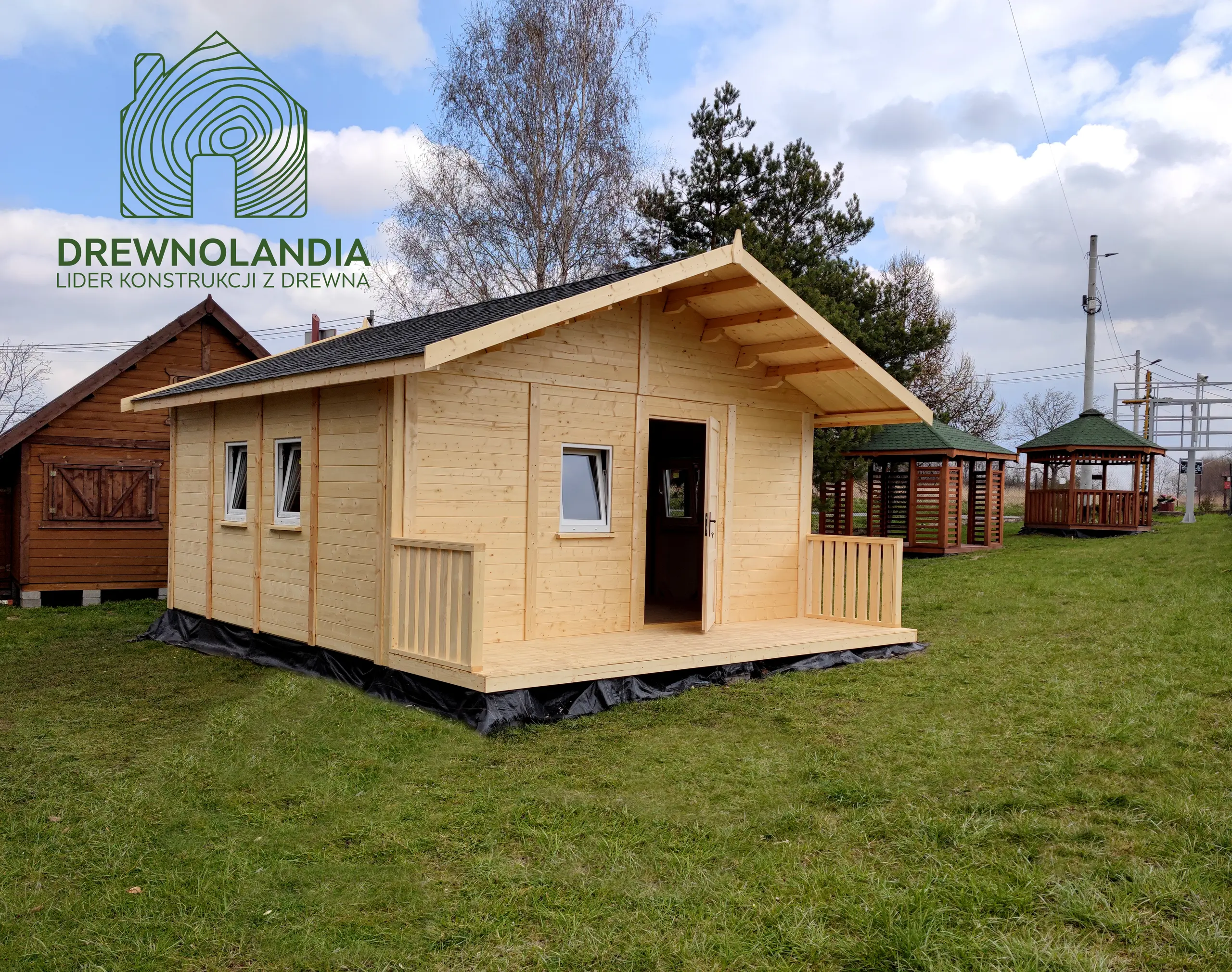
Cabin SM-1
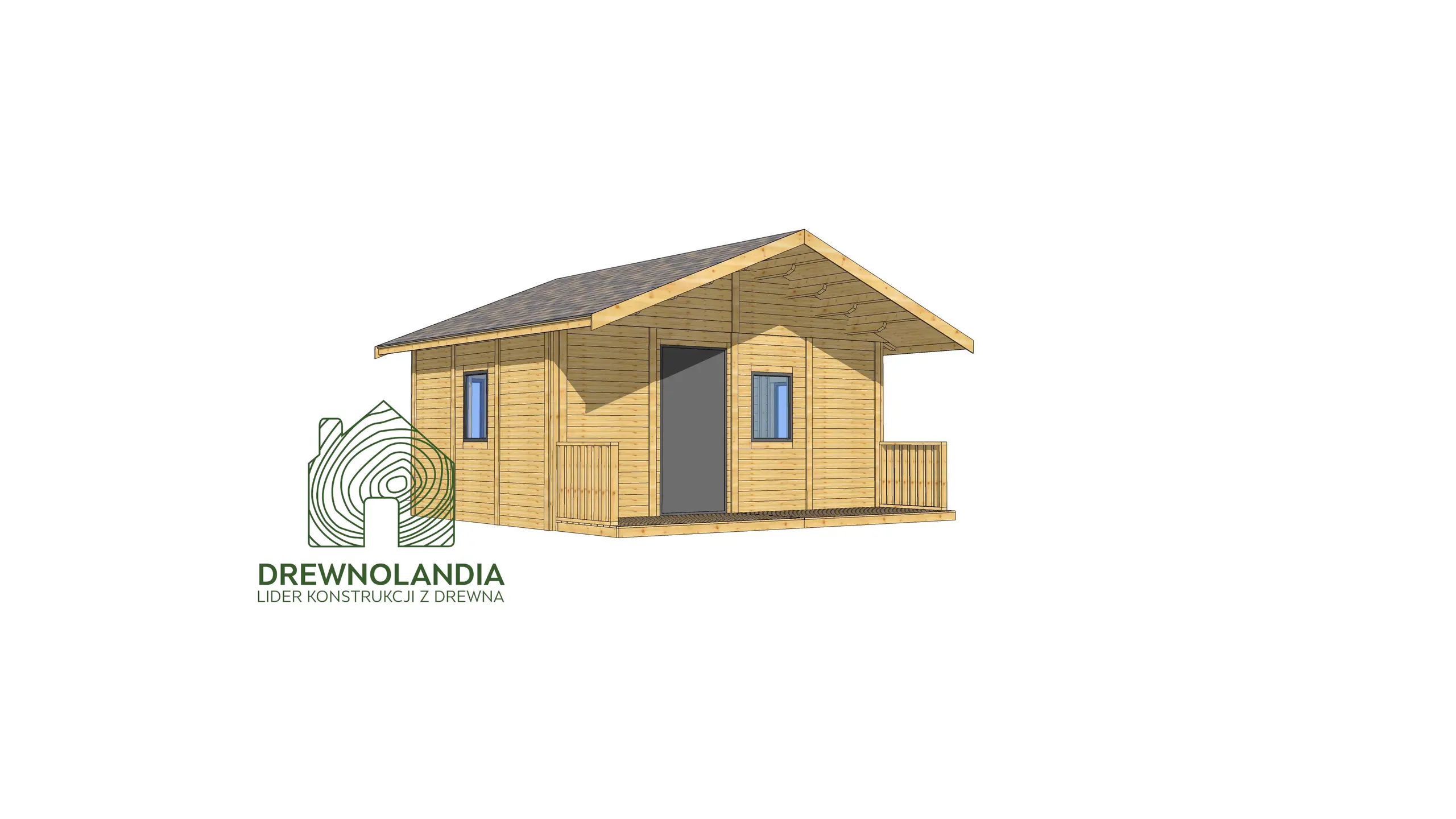
Cabin SM-2
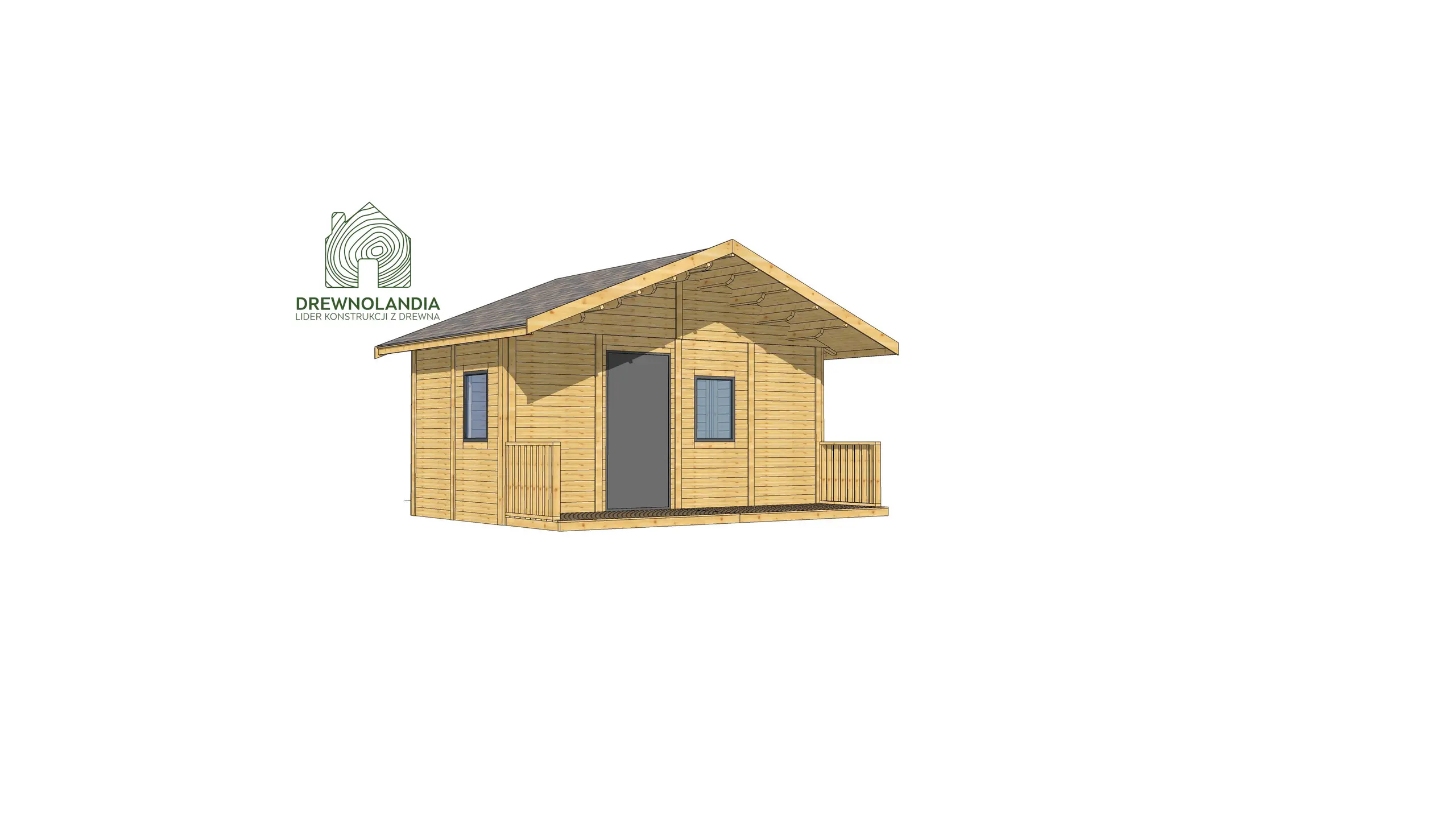
Cabin SM-3
Building a holiday cabin – formalities first
Before construction work begins, you must take care of all the legally required formalities. Above all, you will need to notify the authorities of your holiday cabin construction, which is an alternative to obtaining a building permit.
A standard building permit means the competent authority must grant permission to start construction work, which in practice can take several months. For holiday cabins with an area of up to 70 m2, it is completely different, as you can build by notification.
All you need to do is send an application to the relevant county office, enclosing all the legally required documents, and then wait 21 days for a reply. If none arrives, you can lawfully start building. No negative decision is the same as a positive answer. As a result, if you complete all the formalities, you can start building just 3 weeks after submitting the notification. The documents should include proof of the right to dispose of the property for construction purposes, information on the scope of the construction work and on the local spatial development plan.
Holiday cabins – how do you start the actual build?
Where do you start when building a holiday cabin? Above all, with the foundations. This is essentially the only construction requirement for the investor, who must prepare the site for placing the cabin in a way that raises no objections. Foundations are the basis of every building, and recreation buildings such as holiday cabins are no exception.
- Concrete blocks – a very popular and easy-to-use solution that comes at a very low cost. Above all, concrete withstands practically all weather conditions, including moisture and low and high temperatures. It is also very easy to lay, so it can be used to level out any unevenness in the terrain with ease. Bear in mind, though, that this is the least stable type of foundation and, over time, it causes the building to settle unevenly.
- Pad foundation made of formwork tubes – a popular alternative to concrete blocks, which involves filling cardboard formwork tubes with concrete after sinking them into the ground in the right places. Getting a perfectly level result is difficult, and here too the help of a professional will prove invaluable. Especially since the whole thing must be topped with a timber frame that serves as the base for the building itself.
- Concrete slab – the most expensive but also the most solid foundation, chosen above all by investors for whom exceptional durability matters. The layer of concrete should reach about 30 cm into the ground, which ensures virtually one hundred percent stability for the holiday cabin built on it. A full foundation slab or a traditional foundation prevents the cabin from settling unpredictably in the ground.
How do you finish building a holiday cabin?
Building the foundations is, of course, only the beginning. You will also need the wooden holiday cabin itself, and here it is simplest to rely on specialists. It is worth choosing a model of the right size, while making sure not to exceed 70 m2 of built-up area – otherwise the investor will have to go through the entire building permit procedure.
When assembling the cabin, it is worth using the help of professionals who know the specifics of these buildings, the behaviour of wood and its requirements inside out, and who have all the necessary tools. Building a holiday cabin yourself is less certain, although here too there are options on the market for those who want to put up their dream building on their own, such as the SM cabin series from the Drewnolandia range. Before you start, it is also worth finding out how much it costs to build a holiday cabin and to hire professionals.
FAQ:
How do I start building a holiday cabin?
To build a holiday cabin, you need to start with the foundations, which allow the building to be placed safely on the plot. They can take the form of blocks, formwork tubes or a concrete slab.Building a holiday cabin on agricultural land – is it possible?
Yes, you can build a holiday cabin on agricultural land. Building law allows this, unlike building a residential house, but the land class cannot be too high. A binding answer on this matter will be provided by the local city office or county office.
What does notifying the authorities of a holiday cabin build involve?
Notifying the relevant county office of the construction is a considerable simplification when building a holiday cabin. You just need to send the appropriate application together with the documents and wait 21 days – if no refusal decision reaches us in that time, we can start building.