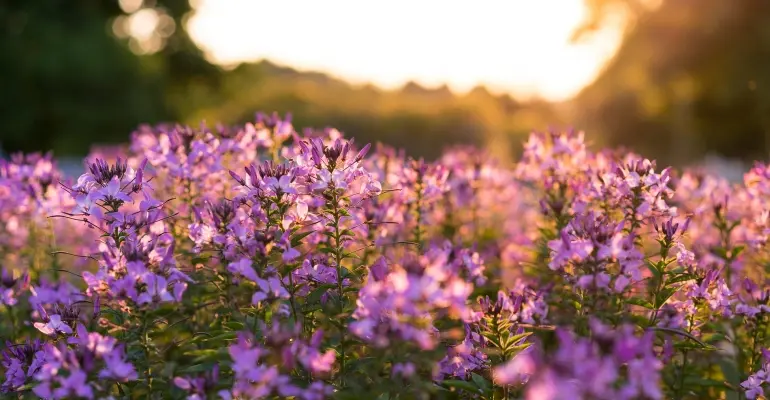
Perennial garden flowers are the true soul of every green corner. They form flower beds, line the edges of paths and lawns, decorate small garden structures, cover bare ground and underline the style of the garden. When well matched, they delight the eye almost all year round and rarely cause maintenance problems. The only question is: what should guide you when buying particular species?
When choosing plants, emotions often take over – we go out intending to buy one specific plant and come home with ten. There is a certain charm in that; after all, a colourful medley and a bit of chaos in the garden can also make an impression. Unfortunately, it often goes hand in hand with a lack of knowledge about what particular plants need. And that should be the first selection criterion. The next is how well they fit the style of your garden. Only after that do your personal preferences count.
Perennial flowers for your plot – the main requirements to pay attention to
When choosing any plants for the garden, you should check the optimal position (sun, light shade, partial shade, full shade) and the preferred soil (type, permeability, moisture, optimal pH). These are crucial for plant growth. Multi-season flowers that like full sun are the largest group. It includes hundreds of species and countless varieties, for example:
- perennial asters
- irises
- peonies
- dahlias
- gladioli
- daylilies
- coneflowers
- delphiniums
- larkspurs
Many plants also cope with light and partial shade; at most they may flower a little less abundantly. The problem arises in deep shade – here the list of species that tolerate it is much shorter. Shade-loving (or shade-tolerant) perennials include:
- hostas
- bugbanes
- brunneras
- astilbes
- corydalis
- ligularias
- common periwinkle
- bugleweed
- wild ginger
- Japanese pachysandra
- a wide group of ferns
It is also worth paying attention to the type of soil. Light, sandy soils are admittedly not very fertile, but with the right treatments (organic fertilising, green manures) their quality can be improved considerably and most plants can be grown in them. Heavy clay soils are harder to work with. Plants that cope in such conditions include:
- astilbes
- goat's beard
- delphiniums
- bellflowers
- hostas
- daylilies
- lupins
- ligularias
The pH level is very important for how well plants take up water and nutrients. It can be adjusted (raised with lime fertilisers or lowered with acidifying ones). Plants are best chosen to match the garden's style. Perennial bedding flowers are most often associated with rustic gardens.
How to design a beautiful perennial border?
Perennial borders (for example in a sunny spot) should be planned so that they stay decorative for as long as possible. That is why you should combine perennials that bloom in spring (phlox, cranesbill, tulip, grape hyacinth, pasque flower, bleeding heart) with species that produce flowers in summer (coneflowers, black-eyed Susans, daylilies, peonies, delphiniums), and in late summer and autumn (asters, chrysanthemums). It is worth enriching the compositions with ornamental grasses (they give the border a more natural, wild character and often serve as decoration in winter) and foliage perennials (winter aconite, hostas – varieties that do well in the sun, heucheras).
Low plants should be planted at the front of the border, with medium ones forming the second layer. Tall perennials at the back, or in the middle of a circular bed, will create a backdrop for the lower specimens. For each species it is worth checking the planting spacing, that is, the distance from other plants. A common mistake, made not only by beginner gardeners, is planting too densely. Sometimes every second plant should be dug out of a border, and it will still be too crowded. Contrary to appearances, densely planted plants do not look better. On the contrary – they do not show their full splendour, they are weaker because of greater competition and are more prone to fungal diseases.
Decorating small garden structures – fragrant plants
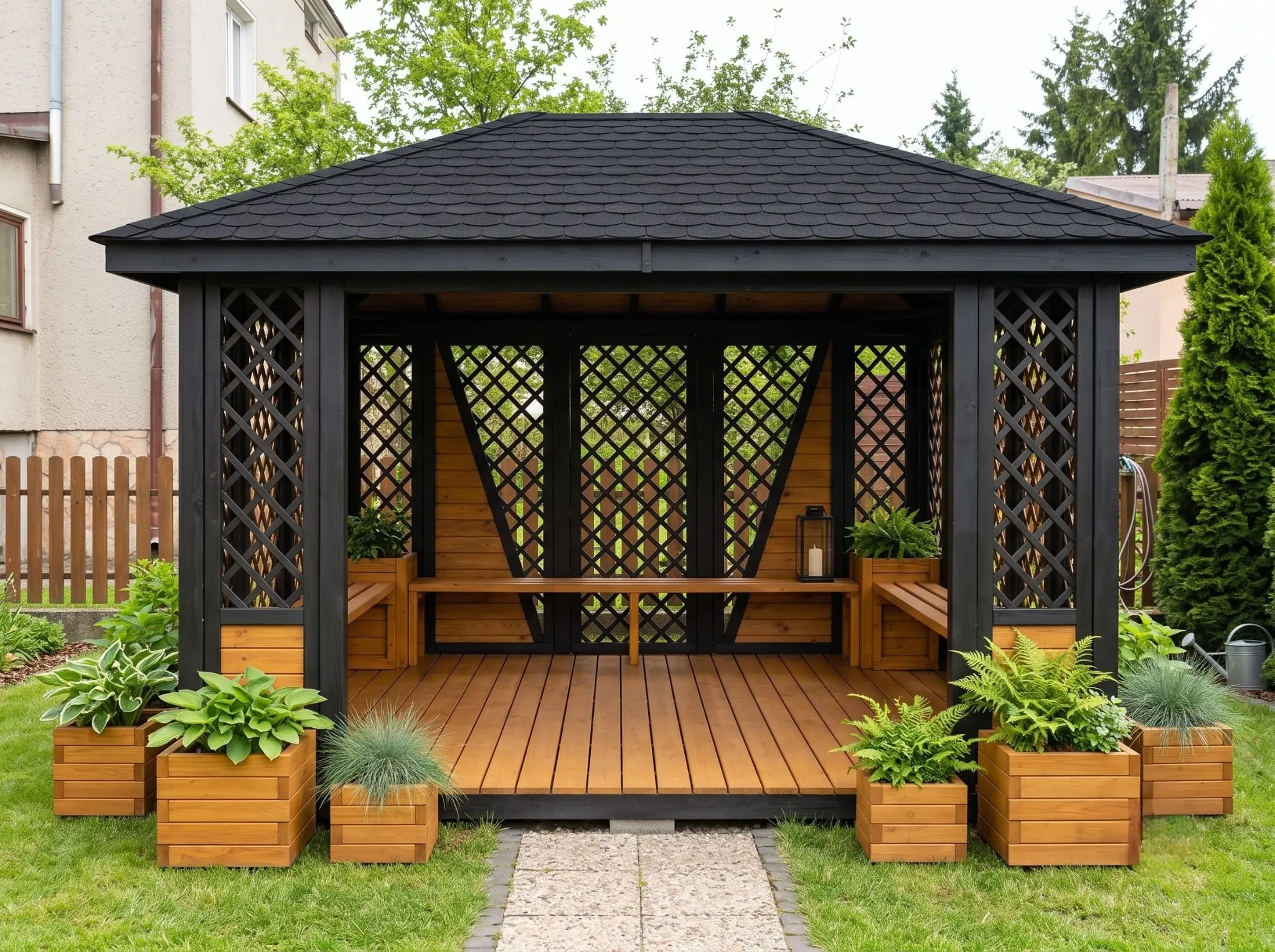
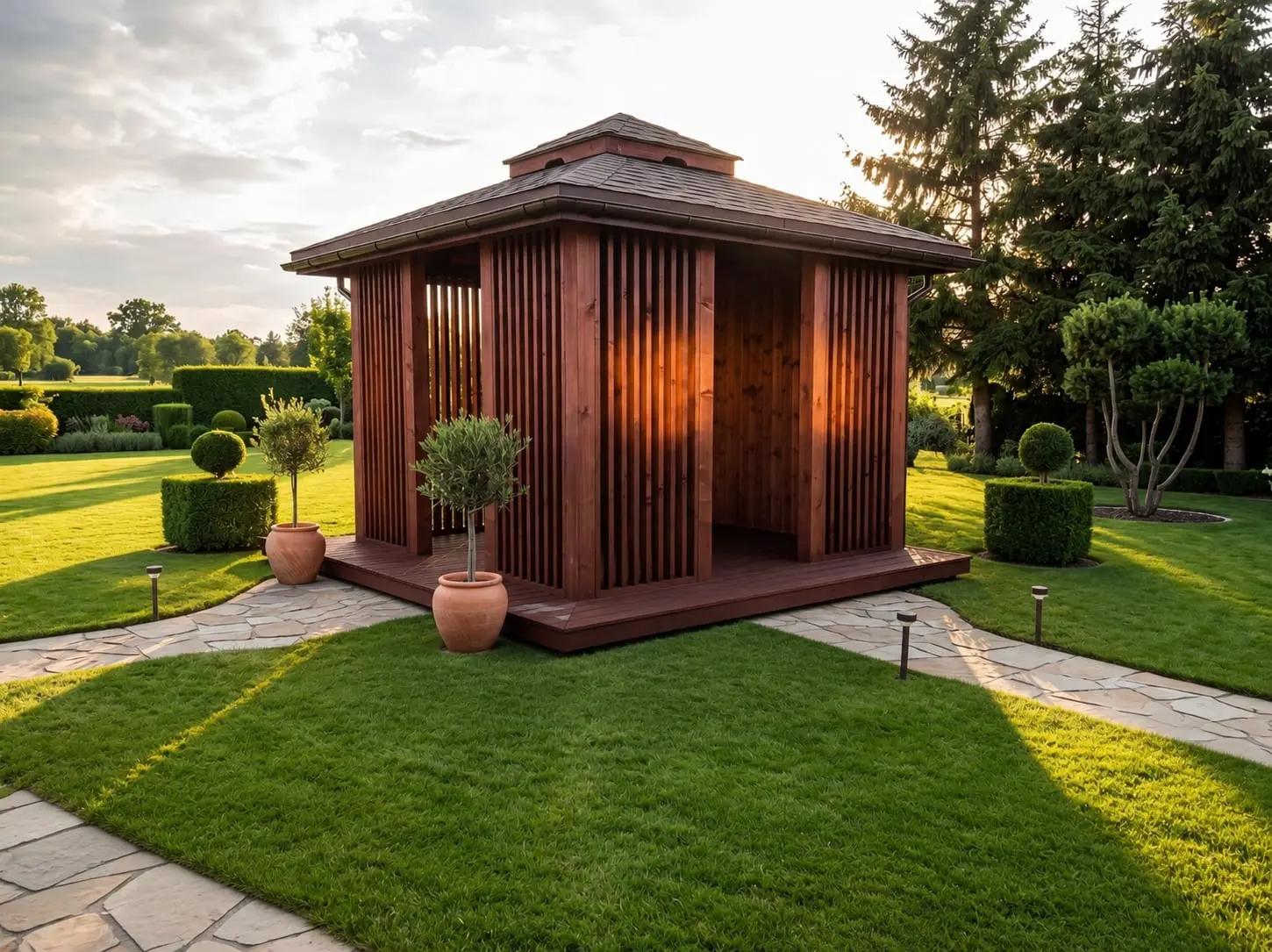
Small garden structures, including holiday cabins, are often decorated with climbers – from honeysuckles and clematis to wisteria and kiwiberry with its edible fruit. That is one way to style them. Another is to grow plants with an enchanting scent. Among shrubs, the number one in this respect is the sweet mock orange, and among annuals – stock. Among perennials, the following can captivate us with their fragrance: lily of the valley, lilies, gas plant, hyacinth, peony, winter heliotrope and phlox. It is worth planting them by the entrance to structures or buildings and near windows. The list above consists of proven species used in sensory gardens.