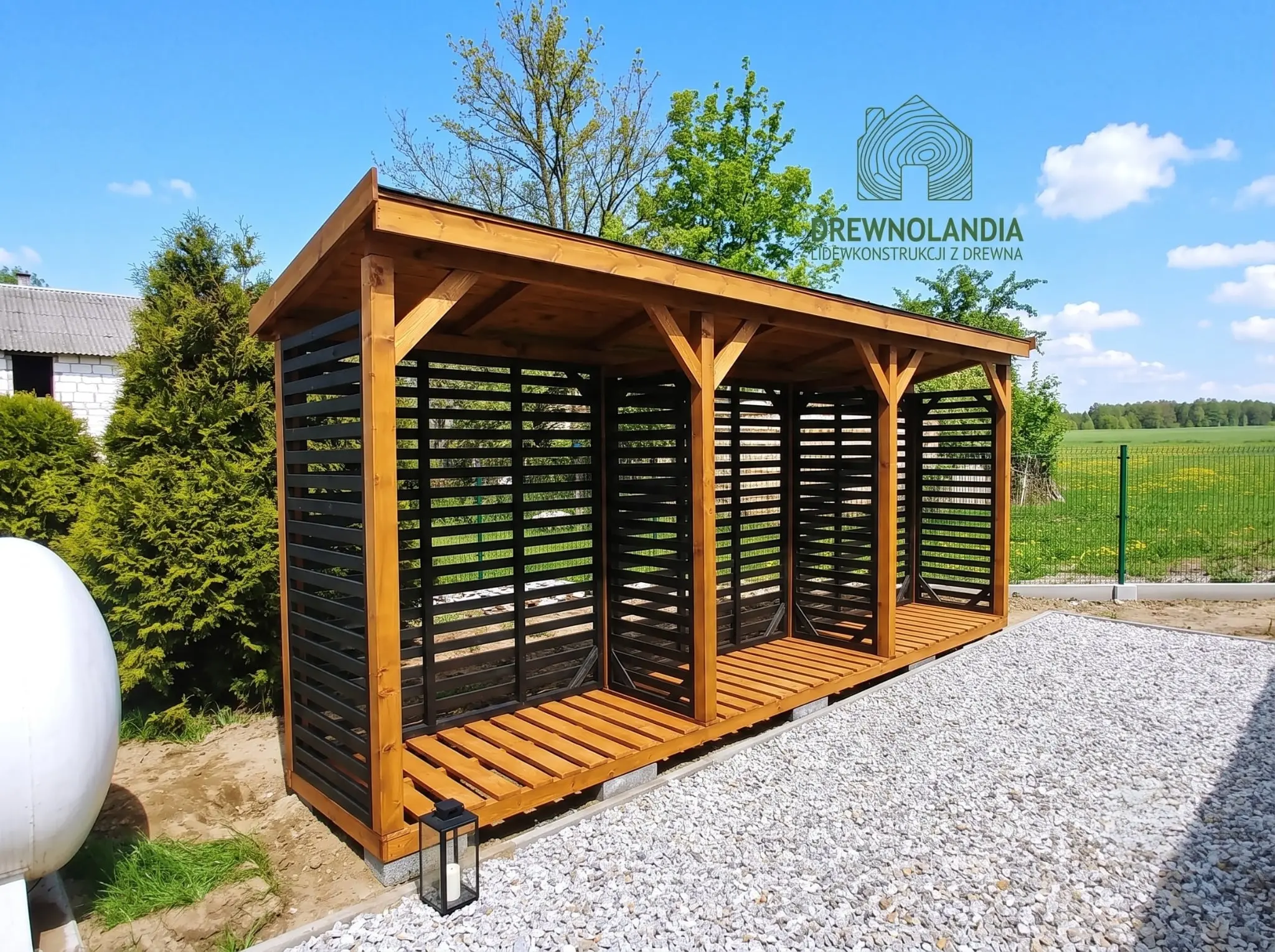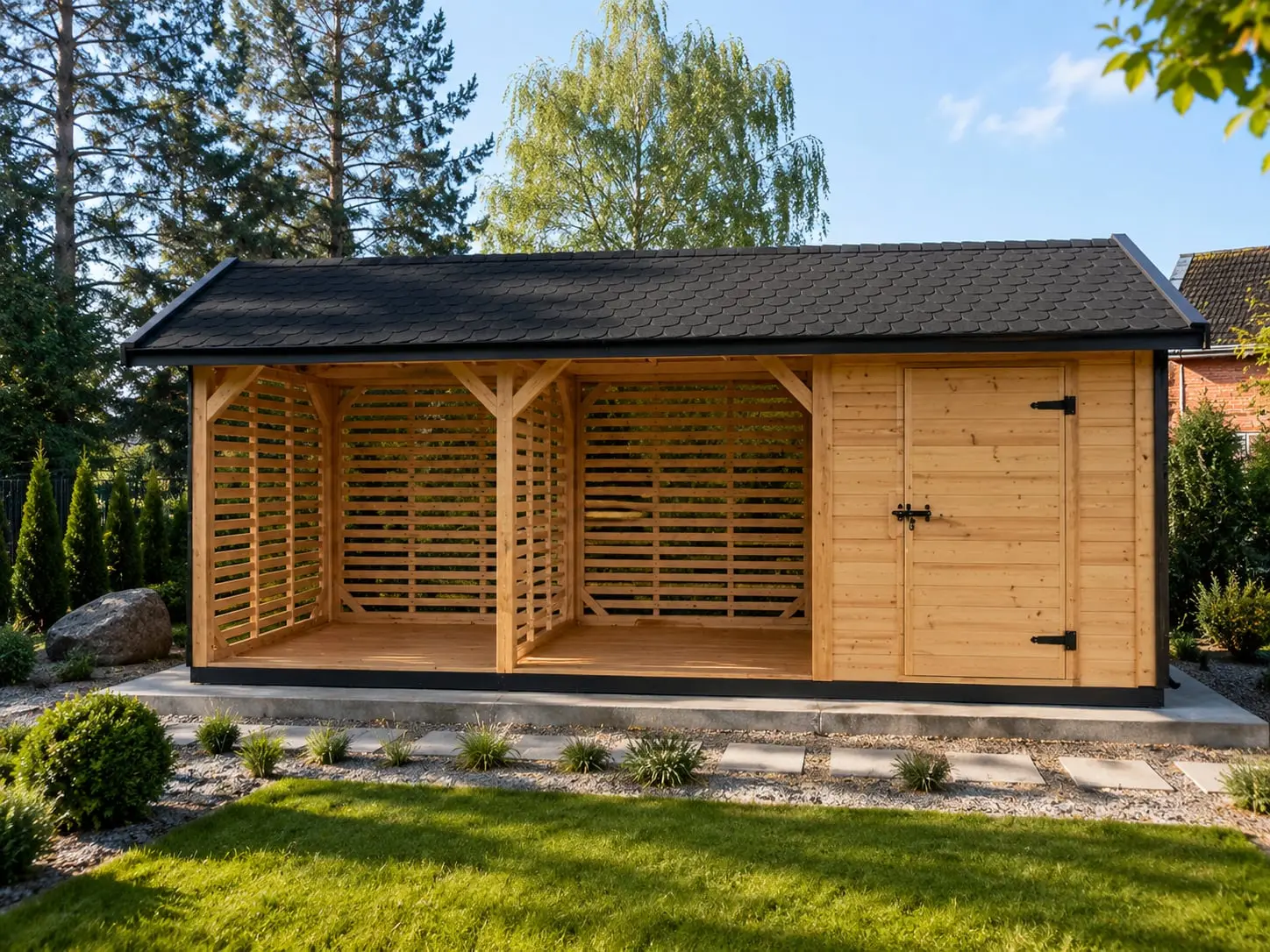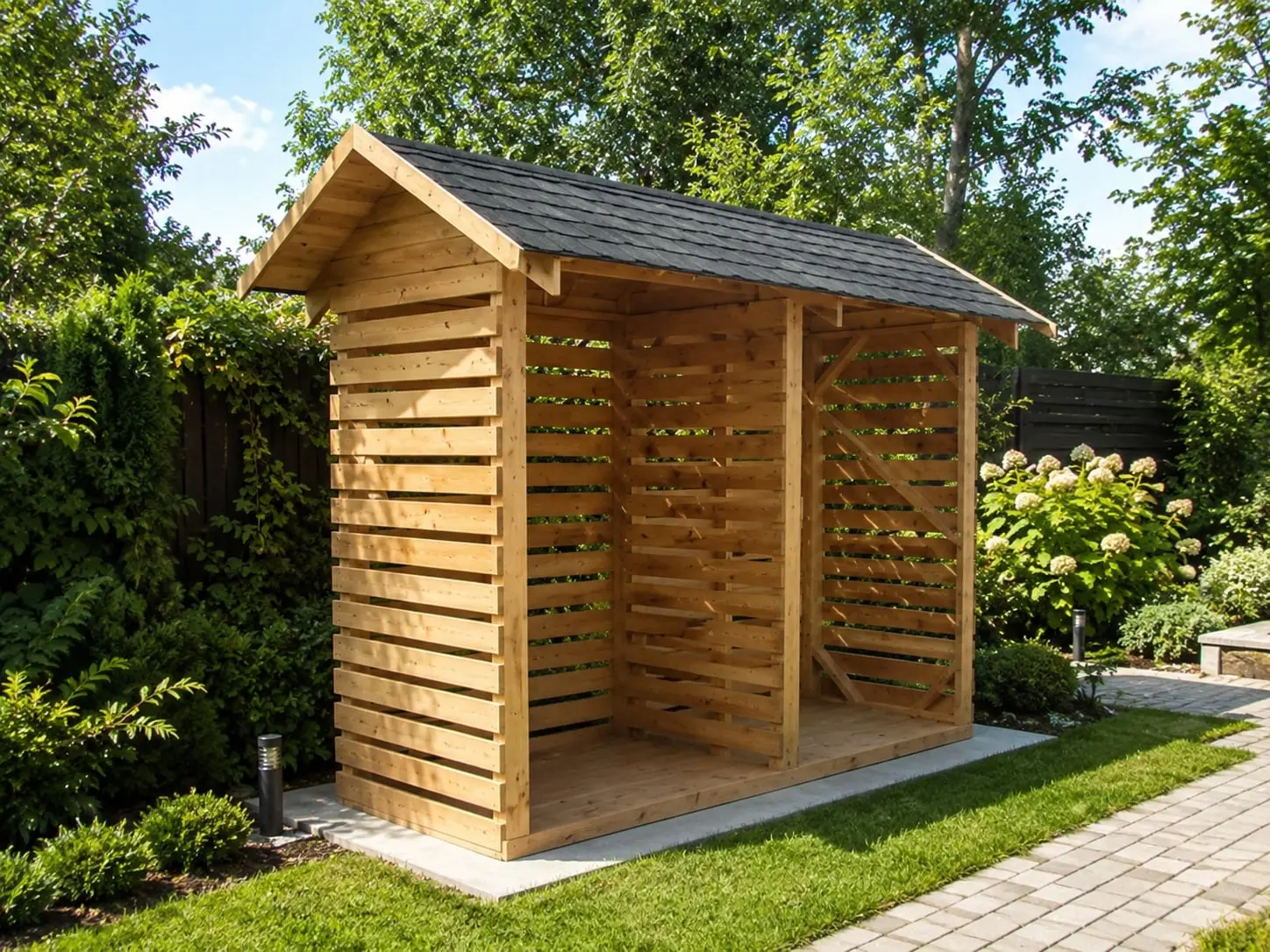
At first glance everything looks fine – solid flooring, well-maintained garden gazebo, elegant sideboard. And then you notice tiny holes, shavings fall, and quiet destruction begins. Wood pests don’t make a noise, but they can wreck everything – from parquet to the roof structure. How to spot them, what to use to combat them, and what to do so they don’t come back? Check now before it’s too late.
Why wood pests are dangerous and how to defend against them
Insects that bore in wood (xylophages) are intruders that can appear both in the garden and inside the house – in furniture, load-bearing structures or finishing elements. Their presence is not only an esthetic nuisance but a real threat to building safety. They destroy floors, roof timbers, garden pavilions and holiday cabins with wooden construction, and the fight against them – although possible – is often challenging. That’s why quick recognition of the problem and proper prevention are essential. Wood as a natural material, though durable, is not immune to pest attacks – especially if it is old, damp or improperly protected. Some species target structural timber, others furniture wood. If left untreated, infestations can lead to costly repairs, so it’s worth acting preventively and implementing effective protection measures early.
How to recognize wood pests?
Early diagnosis helps minimize damage. The most common wood pests – such as the common powderpost beetle or the house longhorn beetle – differ in appearance and preferences. The common powderpost beetle is a larger, dark beetle that mainly bores in softwood. The house longhorn beetle is smaller and prefers broadleaf species.
Signs of pest presence include:
- small holes on the wood surface,
- wood dust (fine shavings),
- presence of dead or live insects,
- quiet squeaking or drilling sounds inside the wood structure.
Regular inspection of structures and wooden furniture helps detect the problem before wood is attacked more severely.
Most common dry wood pests
Although they don’t harm living trees in forests, they considerably reduce the utilizable value of processed timber. In Poland there are several dozen species, but the following are particularly significant:
Parquet beetle
Length: 2.5–5 mm. Most commonly found in new oak and ash wood. Avoids old, historic objects. Active after dark, emits distinctive sounds.
Common powderpost beetle
Length: 7–25 mm. Has a flattened body covered with hairs. Feeds on many wood types, including glued wood. Can damage structural elements of buildings – posts, beams, roof timbers – as well as floors and parquet.
House longhorn beetle
Up to 4 mm in length (larvae up to 6 mm). Attacks hardwood and softwood, and also wood-based materials. Causes the greatest damage in softwood elements.
Drywood powderpost beetle
Beetle about 4 mm long. Males have characteristic comb-like antennae. Feeds on deciduous wood; the female lays eggs in tunnels which are then filled with compacted powder.
Wedges or pine beetle
Reaches about 5 mm in length. Prefers moist construction timber – often found in ceilings and roof timbers.
Why do insects attack wood?
Insects use wood as a food source and breeding habitat. Larvae bore tunnels, and some species lay eggs in wood cracks. Especially vulnerable are old or damp components where it’s easier to maintain proper development conditions.
Each species has its preferences – the powderpost beetle is most common in softwood construction beams, while other species may choose furniture wood in deciduous timber.
How to protect structures from pests?
Preservatives and insecticides
Protection starts with wood preservation – protective agents extend material durability, reduce disease risk and effectively deter wood pests. Surface preparations act on larvae just beneath the outer wood layer, and some create an additional protective barrier.
Insecticides with deeper action are available as liquids or aerosols. They are applied through natural channels in the material’s structure or through specially drilled holes. In critical situations, e.g. in roof timbers, stronger methods are used.
Fumigation
Fumigation, or gas disinfestation, involves saturating the wood with chemicals that penetrate its structure. It eliminates pests at all life stages – from eggs to adults. This method is used for large areas or when traditional remedies aren’t possible. It works best at positive temperatures (above 10°C).
Thermal disinfection
Alternatively there are thermal methods – microwave and hot air. The wood is heated to 55–56°C, which kills insects through protein denaturation. It’s a fast, effective method and safe for the structure. Rooms can be used soon after treatment.
Prevention – how to stop recurrences?
Prevention is key to protecting wood. It includes:
- regular checks of wooden elements,
- using proven protective agents (preservatives, insecticides),
- maintaining proper ventilation and reducing moisture,
- avoiding storing wood in poorly ventilated and damp places,
- choosing materials from reliable sources.
Consistent maintenance and proper use are the foundation of durability. This way you can effectively prevent wood pests and enjoy building safety for many years.
Don’t ignore the first signs – as soon as you notice traces of insects in wood, act. Quick action and proper protection are the most effective way to combat wood pests and keep your structure in good condition for years to come. Take care of the wood today, so you don’t worry tomorrow.
FAQ
Do wood pests attack only old structures?
No. While old and damp wood is more susceptible to damage, some insects also attack new, unpreserved materials – especially if they are made of softwood.
What are ecological ways to combat wood pests?
Natural methods include: thermal disinfection (microwaves, hot air) and using essential oils (e.g., tea tree or lavender). Their effectiveness is limited and they mainly assist rather than completely eliminate the problem.
Can presence of pests in wood be determined non-invasively?
Yes – in some cases acoustic testers detecting feeding sounds inside the material can help. Regularly monitor the condition of wooden floors, furniture and roof timbers.
What wood species are most commonly attacked?
In Poland, elements made of softwoods (e.g., pine, spruce) are most often attacked, especially when the wood is damp. However some pests prefer hardwood, e.g. oak or ash.
Can wood already attacked by insects be saved?
Yes – there are effective pest control methods, including fumigation, insecticide injections or microwaves. The faster you respond, the greater the chance to limit losses and save the material.
What are the first signs of pests in wooden floors?
Small holes on the surface, falling wood dust and feeding noises are the most common signals. Also watch for unevenness, cracking varnish or sudden weakening of plank structure