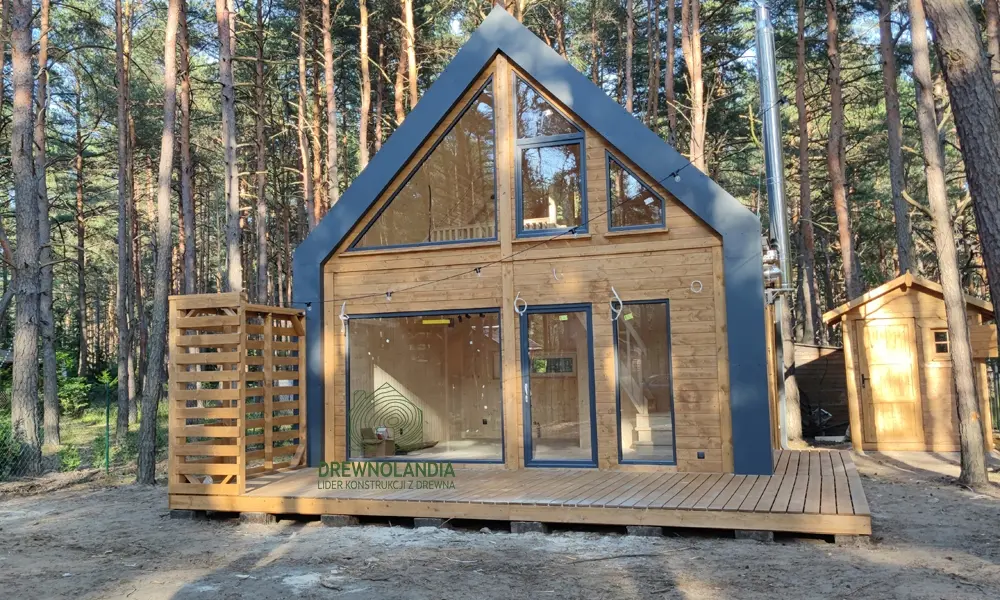
A holiday cabin is a great place to spend a weekend or a long vacation. Still, it's worth remembering that the building doesn't have to be used only in summer. Installing a heating system will make it suitable for year-round use. What kind of fireplace works best in a holiday cabin? What should you keep in mind during assembly?
Why choose a fireplace for your holiday cabin?
There are many ways to heat a wooden building, but the fireplace has remained the most popular option for years. In a holiday cabin, this kind of solution creates a welcoming, cozy atmosphere that invites you to spend cooler evenings with loved ones. It's worth noting that there are now many different types of wood-burning "goat" stoves on the market, and they can easily be matched to a variety of styles — from modern, through classic, to glamour interiors.
Running costs also matter: a fireplace is usually cheaper to operate than alternative systems such as electric heaters. Although this type of stove requires a larger up-front investment, you can expect it to pay for itself while you use your holiday cabin. It's also worth stressing that a fireplace in a wooden holiday cabin is extremely efficient. Proper assembly and following the rules for its use will also keep everyone in the building safe.
If we opt for an additional heat distribution system, we can count on warming all the rooms in the holiday cabin. This solution should also appeal to people looking for eco-friendly options, since the heat is usually produced by burning pellets or wood.
A fireplace in a wooden holiday cabin — what to keep in mind
For the stove's exhaust gases to be vented easily, a chimney must be installed. An insulated chimney, which forms a self-supporting flue system, works best. With it, we don't need to worry about having a brick flue or a foundation. It can be safely placed next to a wall or another part of the holiday cabin, because it is made of double-walled pipes filled with mineral wool of the appropriate thickness.
The fact that this solution is also used in industry and in residential construction confirms the effectiveness of the insulated chimney. Another important advantage is its resistance to adverse weather conditions. Is it safe? Yes — its walls stay at a suitable temperature, and the chimney is non-combustible. It is not affected by condensate. It's worth noting that this solution can vent the exhaust gases produced not only by burning wood, but also coal, coal slack and other solid energy fuels.
It should be noted that an insulated chimney can be installed only if the roof is covered with bituminous shingles. This option is usually not used with metal roof tiles. It's also worth stressing that such solutions are used not only in holiday cabins. They can just as well be used in a single-family home, where the stove works well as an additional source of heat in the living room.
Safety rules for using a fireplace in a holiday cabin
The question remains: which fireplace for a holiday cabin will meet your expectations while keeping everyone staying there safe? First of all, it's worth choosing a model from a trusted supplier. That way you can be sure it is free from factory defects. The fireplace should also be installed by specialists who have the right knowledge and the experience needed to install the stove correctly. Remember, too, that the stove should have an Ecodesign certification, which guarantees compliance with current environmental regulations. Older stove types that don't meet the relevant environmental standards have already been withdrawn from use in some regions of the country, so using them may result in a fine.
A fireplace in a wooden holiday cabin also should not stand directly against a wall. If you're worried that moving the stove away from the wooden elements won't be enough, the nearby parts of the structure can be lined with a dedicated membrane that reflects the heat back into the room, which additionally improves heating efficiency. Modern fireplaces in particular go very well with this kind of solution. It's also a good idea to make sure the floor near the fireplace is covered with a non-combustible material, which makes using the stove completely safe. This can be a sheet metal base or tempered glass, offered by some stove manufacturers.
If we choose this type of fireplace, we must also remember to clean it regularly, which also affects the safety of heating the holiday cabin. How often should you do it? It's best to follow the manufacturer's guidelines.
How can you make a fireplace in a holiday cabin more efficient?
Knowing how to build a fireplace in a holiday cabin and the most important rules for using it, it's also worth considering what to do so that a "goat" stove heats the building effectively. First of all, to keep everyone in the building comfortably warm, it's worth insulating it. This helps avoid losses that can reach as much as 30-35% of the heat produced. Mineral wool is the best choice for this. Using it also protects the holiday cabin from the excessive temperatures it may be exposed to in summer.
In addition, it's essential to choose the right windows and doors, so that no cold or moisture gets into the rooms. When choosing a holiday cabin, it's worth asking the manufacturer about heating options and which solutions will work best. People who don't want a stove in their building can also opt for another way of heating, e.g. a gas installation or electricity.
FAQ:
Can a fireplace be installed in a wooden holiday cabin?Assembly of a fireplace is possible in a wooden holiday cabin, but you must remember certain safety rules.
What are the advantages of using a "goat" stove in a holiday cabin?A "goat" stove heats a holiday cabin efficiently and also makes the interior where it stands cozier.
What makes an insulated chimney stand out?An insulated chimney is made of double-walled pipes that are additionally lined with mineral wool. Thanks to this, it can be installed close to walls without increasing the risk of fire.