The design of a garden and its realization is a demanding task. It takes more than leveling the ground and planting favorites. A landscape architect, taking into account habitat conditions, soil quality, the surrounding style, and even the owners’ gardening skills, creates a space perfectly matched to their needs. The specialist’s experience helps avoid mistakes and design a functional garden that fits the residents’ lifestyle. A garden project should consider the space’s future development and ensure its durability for years to come.
Where to start when designing a garden?
If you want to design the garden yourself, start by mastering expert knowledge and defining the plot’s function. Think about what should be in the garden – a relaxation area, vegetable beds, a space for children to play, or perhaps a grilling zone. Inspirations can come from the Internet, books, and consultations with experts. The key is to adhere to basic design principles – matching the terrain, soil, climate, and the residents’ lifestyle.
It’s also worth taking a closer look at the surroundings. Which landscape elements are worth preserving? Should the garden blend into the natural environment, or should it stand out? Such analysis will help you determine the garden’s style and select the right materials and plant species.
Garden design is not just about aesthetics but above all about functionality. Each project should consider the size of the garden, soil type, and the inhabitants’ lifestyle. A well-thought-out arrangement makes the garden an extension of the home — a place for relaxation, gatherings, and activities.
From the outset, decide what functions the space should serve. Should it be a cozy retreat with a gazebo and hammocks? Or perhaps a vegetable garden, a barbecue area, or a play zone for children? Proper planning helps avoid chaos and unnecessary changes in the future. Balancing aesthetics with practical aspects of use is the foundation of a good project.
The most important thing is the garden design plan
It’s best to think about the garden already at the building stage — then it’s easiest to integrate it with the whole investment. You can plan drainage, electrical installation, and irrigation, and prepare space for paths, a terrace, or elements of small architecture.
If you already have a house and a developed part of the plot, divide garden design into stages. Start with a thorough inventory: assess sunlight, soil type, existing vegetation, and infrastructure elements. Then create a concept – a sketch of the green space that will help you determine the functional layout and plant placement.
Next come the site works: tidying the plot, possibly reshaping the terrain, building fencing, marking paths, and preparing places for plantings as well as a gazebo, pergola, or pond. Only then should you move on to planting and laying the lawn, as well as developing a maintenance plan for the season and preparing a shopping list for the project.
Inspirations and styles - garden arrangement
The choice of garden style should be guided not only by the owners’ taste but also by the house’s character and the surroundings. A romantic English garden, a modern space with geometric forms and minimalist plantings, or a rustic country garden with herb beds – there are many possibilities.
Inspiration can be found in books, industry magazines, gardening blogs, or ready-made designs available online. Don’t be afraid to mix different styles – a blend of elements can create a unique atmosphere and reflect your personal taste.
Which plants to choose for the dream garden?
Garden greenery isn’t just about aesthetics but also functionality. Well-planned plantings create microclimates, provide shade, shield from wind and noise, and attract pollinators.
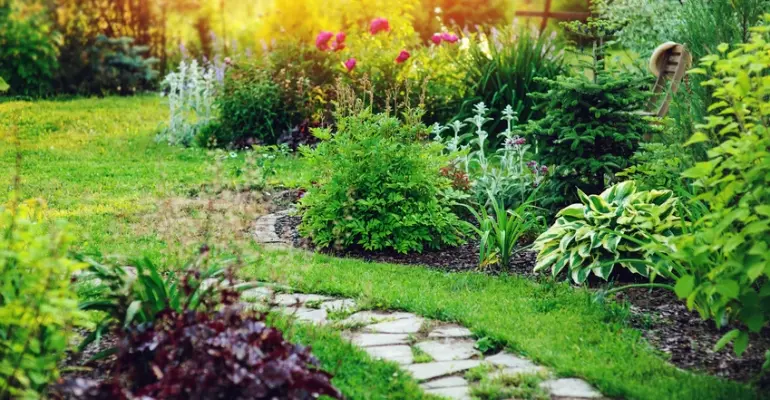
It’s worth starting with the plants already on the plot – trees or shrubs can become natural focal points of the composition. New plantings should be planned in layers: from tall trees and shrubs, through medium-height plants, down to groundcovers. Such a composition will be harmonious and easy to care for.
Evergreen plants work well as year-round backdrops — they’re hardy, durable, and require little attention. Deciduous plants add variety, color, and texture. Roses, although deciduous shrubs, are worth treating as a separate category – their abundance of shapes and scents draws the eye. Climbing plants give a sense of coziness and shelter less attractive parts of the garden. Perennials are versatile and complement borders well, and ericaceous plants, though more demanding, can create striking combinations. Don’t forget annuals, which every season let you transform the garden’s look, introducing color and freshness.
Comfort first
Garden functionality isn’t only about zoning but also about comfort of use. Plan a relaxing spot – a secluded corner with a bench, a pergola with climbing plants, or a larger gazebo that can accommodate family and guests. Such a space can serve as outdoor dining, a place to work in the garden, or simply a relaxation zone with a book.
Additional conveniences, such as a fire pit, grill, hammock, or sun loungers, allow you to enjoy the garden regardless of weather and time of day. Thoughtful space planning makes its use easier later and reduces maintenance time. Most importantly, you should feel at home in your own garden — a space that should be fully matched to your needs.
Small gardens – big possibilities
Even a small space can be functional and full of charm. In small gardens, organization is especially important — paths should guide the eye, and plantings must not overwhelm.
Pillar solutions, such as green walls, trellises with climbing plants, or hedges, visually enlarge the space. It’s also worth introducing a water feature – even a small fountain or pond brings a sense of calm to the garden. Well-chosen plants and building materials make even a compact garden a stunning place.
Ready-made solutions
Not everyone needs to be an expert to create a beautiful garden. Many companies offer ready-made designs, plant kits, and other accessories that simplify the arrangement. Mobile apps like Gardenize or PlantNet are gaining popularity to help plan and care for the garden all year round.
Using the knowledge of specialists – a landscape architect or a gardener – is an investment that pays off not only in comfort but also in durability and visual impact. This way you can be sure your garden will be beautiful, functional, and easy to maintain.
Plan today to design your garden so that it fits your needs and delights you all the time — including in winter.
FAQ
When is the best time to start arranging the garden?
The best time to start planning is winter or early spring. This will allow you to prepare well for the site works that you’ll begin as soon as weather conditions permit.
Which plants perform well in shade?
In areas with limited sunlight, hostas, ferns, astilbes, or periwinkle perform well. It’s important to choose plants suitable for the soil conditions and microclimate.
Should irrigation be considered already at the design stage?
Yes, it’s worth planning the irrigation system from the start, especially for larger gardens. It saves time and water, and makes maintenance more comfortable.
How to prepare a plant list for the garden?
Start by defining the garden’s function and soil conditions, and then select species accordingly. The plant list should include both ornamental and useful plants – well-suited to local conditions.
Does garden design take the winter season into account?
Yes – a good design considers year-round garden value. Evergreens, proper spacing of paths and architectural elements help you enjoy a functional space even in winter.